
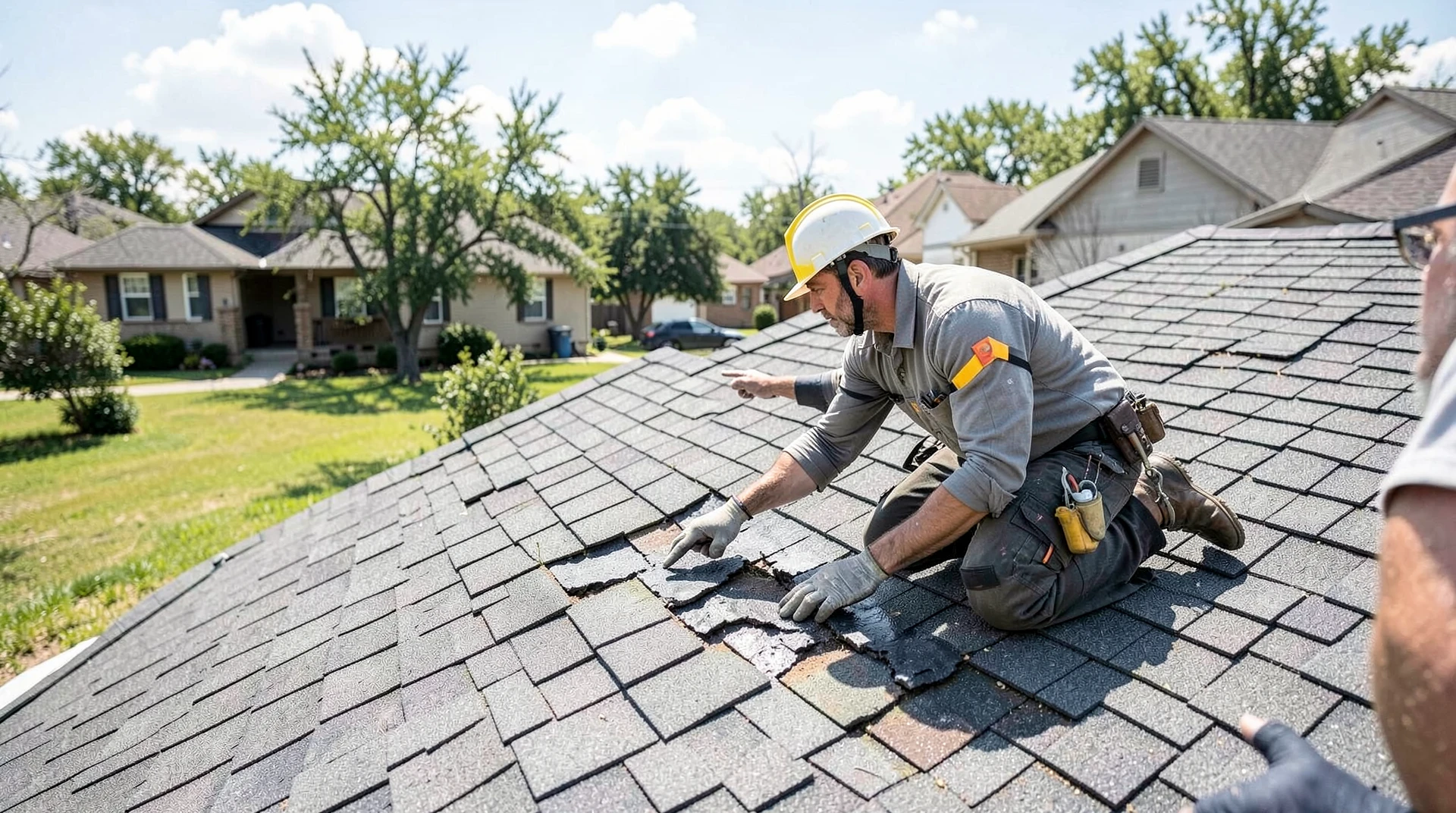
When the sky opens up-whether it’s a sudden hailstorm across Kessler Park or high winds rattling your windows-the immediate aftermath can feel like navigating a disaster zone. You are worried about your family, your possessions, and most importantly, the structural integrity of your home. If you look up at the roof, damaged shingles and visible tears don't just represent an aesthetic problem; they signal potential water intrusion that could damage everything beneath it. It is completely normal to feel overwhelmed, especially when the first task seems to be deciphering a dense insurance policy written in legal jargon. Before you call five different contractors or panic over the roof replacement cost Kessler Park, take a deep breath. Understanding what insurance covers damaged roof repairs? is less about reading fine print and more about understanding local building codes, structural engineering, and the specific perils of Central Texas weather. We are here to guide you through that complexity, making sure you know exactly what questions to ask and who you need to call first.
When Disaster Strikes: Starting the Conversation About Damaged Roof Repairs
The stress of storm damage is immediate, intense, and often paralyzing. No matter if you are in Kessler Park, White Rock Lake, or Knox-Henderson, that initial panic-the feeling of "who do I even call first?"-is universal. You might call your insurance agent, a friend for advice, or maybe even the roofer before you've fully assessed what happened. But here’s the core principle we need to establish right away: Insurance policies are designed to cover perils-specific, sudden events like wind-borne debris, hail impact, or lightning strikes. They do not generally cover gradual wear and tear (like aging granule loss), settling issues, or deferred maintenance that was due years ago. Understanding this distinction immediately manages the financial anxiety because it sets a realistic expectation for what your policy is actually designed to pay for.
Before diving into the final scope of repairs, there are immediate emergency needs. If you see visible holes or tears, our first priority is temporary stabilization-think applying a protective tarping system. This isn't the fix; it’s damage control, preventing secondary water leaks that could ruin your interior before any permanent repair even begins. Knowing the difference between this initial emergency mitigation and the final, comprehensive structural repair scope is key to remaining calm and competent during the process. Ultimately, figuring out what insurance covers damaged roof repairs? requires more than just reading a policy; it demands an expert assessment of the entire structure’s health, from the visible shingles down to the deck boards beneath.
Understanding Your Policy: What Triggers Coverage for Roof Damage?
Insurance coverage is not a simple yes or no answer; it is highly nuanced and dependent on specific terms within your homeowner's policy. The first step in understanding understanding home insurance for roofs is knowing the difference between covered perils (like hail damage or high wind impact) and common exclusions. For example, a large tree limb falling during a storm might be covered if it was directly propelled by the wind, but if that branch simply aged and snapped off onto your roof without significant wind action, it could fall into an exclusion gap. Every single claim requires specific documentation-and more than just photos of the damage!
We also need to talk about deductibles. Many homeowners get caught up in the idea that insurance means "free replacement." In reality, if your policy has a high deductible (say, $5,000), and the calculated cost for a full roof replacement is $35,000, you are still responsible for meeting that initial deductible amount. This financial clarity is crucial because it helps determine whether an economic repair or a comprehensive replacement makes the most sense for your property’s long-term value.
Furthermore, there is often a critical 'gap' in coverage that only an experienced roofer can spot. An adjuster may focus solely on visible damage-the missing shingles and scuffed granules. But what about structural issues? The decking beneath might be compromised by decades of water intrusion from minor leaks, or the underlayment could have failed due to age, even if no major storm hit recently. These hidden vulnerabilities are not always immediately obvious and can sometimes be excluded from the initial scope because they aren't visible on the surface. Before we can discuss repairs, it is crucial to start by thoroughly assessing your property’s needs.
Before you call us (or any roofer), please gather a few items to make your experience smoother:
- Clear photos of all damaged areas, including surrounding property features.
- The exact date and general location/type of the storm event.
- Your specific address and property type (e.g., single-family home in Kessler Park vs. multi-unit dwelling in Knox-Henderson).
Beyond the Shingles: The Critical Inspection Process After Storm Damage
When assessing damage, many people assume that if the shingles look okay on top, the roof is fine underneath. This assumption is dangerous and can lead to catastrophic leaks down the line. A proper inspection must look under the roof. The true scope of what insurance covers damaged roof repairs? depends far more on the condition of the underlying flashing, the integrity of the underlayment, and the solid state of the deck boards-not just the visible surface material you see from the ground.
An adjuster's initial visual assessment is valuable, but it represents only one part of the puzzle. Our expert inspection adds massive value by identifying hidden vulnerabilities that could lead to leaks years down the line in desirable areas like Knox-Henderson or White Rock Lake. We are looking for signs of compromise that haven’t even started yet.
This brings us to the concept of mitigation. The goal when dealing with major storm damage isn't merely to "patch it up" and get you through until the next rainstorm; the goal is to ensure the roof structure is sound enough to last for decades, protecting your home’s investment against Central Texas weather cycles. Because of this comprehensive view, we follow clear, numbered steps during every thorough inspection:
- Assessing Water Entry Points: We check all flashings (where the roof meets chimneys or walls) and penetrations (vents, HVAC units) because these are prime leak spots no matter how new your shingles look.
- Checking Underlayment Integrity: We examine the entire sheet underlayment to ensure it hasn't been compromised by age, mold, or saturation from previous leaks.
- Confirming Load-Bearing Capacity: Most importantly, we assess the deck boards for signs of excessive rot or water damage that could compromise the structural support itself.
Avoiding Costly Compromises: Why Patching Is Rarely Enough
One of the most common and frankly dangerous objections homeowners raise is concerns over "cost overruns." They might be told by another contractor to opt for a quick, minimal repair-a "patch job"-to save money immediately. While this seems appealing in the moment, we have seen too many homes suffer from exactly this: opting for a temporary fix that inevitably leads to secondary damage and system failure within a surprisingly short period (often just 3-5 years).
If the decking is saturated or compromised by water intrusion-even if the shingles look fine-it must be replaced regardless of whether your insurance policy explicitly mandates it. Choosing not to replace compromised materials simply transfers a massive, unbudgeted cost and risk onto your shoulders later. This protects your home's investment from systemic failure.
It’s also important to discuss modern options beyond mere repair. When the time comes for replacement, upgrading to technologies like impact-resistant shingles or metal roofing shouldn't be viewed as an arbitrary upsell, but as necessary risk management. Given the increasing severity of weather patterns across Central Texas-from intense hailstorms to prolonged heat cycles-these materials provide a vastly superior level of protection compared to simply patching old materials in place.
We want you to feel completely reassured that while we are experts at complex repairs and navigating these insurance complexities, our primary focus remains clear: providing upfront estimates so you understand exactly what structural components need attention and why, ensuring there are no surprises when the final bill arrives.
The Secret to Longevity: Proactive Care Before the Next Storm Hits
David Jenkins has spent years observing one truth: roofing is far more about proactive maintenance than reactive repairs. We must shift our perspective from crisis management (the chaos after a hailstorm) to proactive asset protection. This mindset is the secret to longevity and saving tens of thousands of dollars in stress and unexpected costs down the road.
The most powerful, least stressful thing you can do for your home's roof is simple: schedule an annual inspection-a preemptive checkup far less daunting and expensive than dealing with a major claim after high winds or hail damage hits. We focus on identifying specific signs of aging that signal the need for pre-emptive replacement before a catastrophic failure occurs. These include excessive granule loss (which means the asphalt binder is failing), ridge caps curling, or extensive flashing corrosion around vents and pipes.
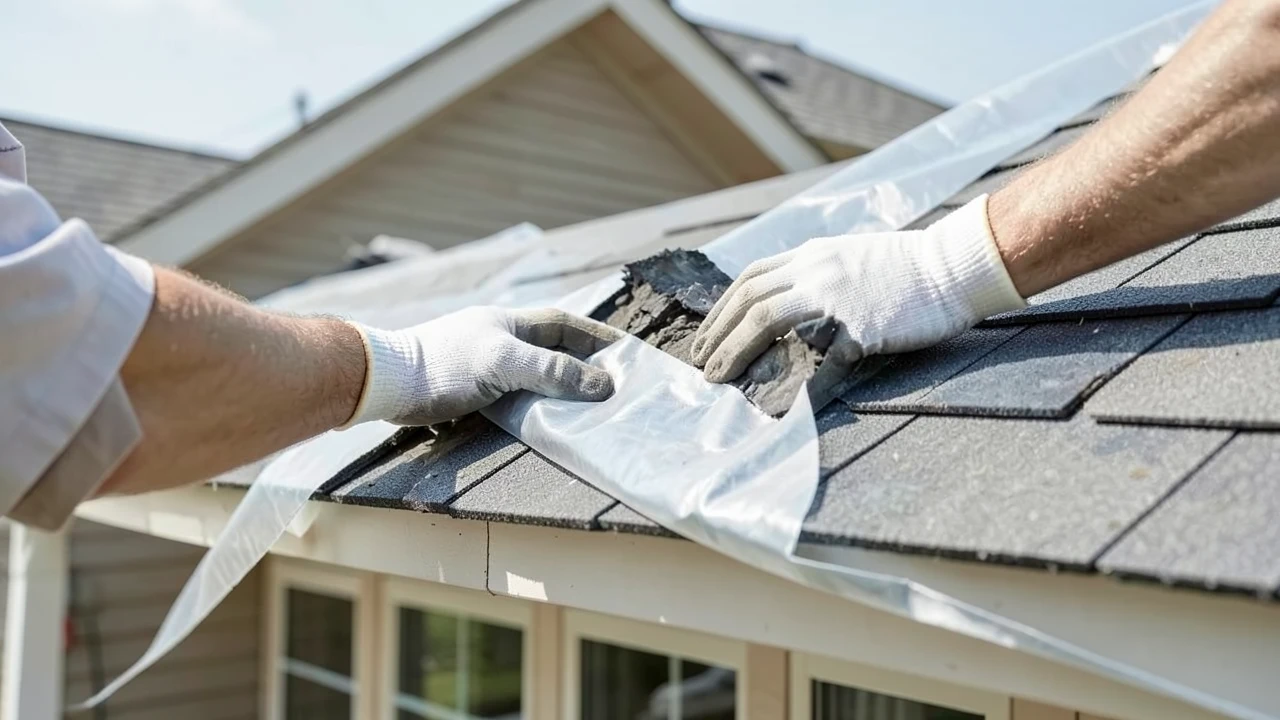
For those looking at long-term protection, consider specialized services like TPO or metal roofing not just as materials, but as protective investments engineered specifically to handle local Texas heat cycles and intense, prolonged rain events better than traditional systems. These professional materials are designed for decades of service and superior performance in our demanding climate.
Securing Peace of Mind: Your Next Steps for a Stress-Free Roof Assessment
Dealing with the bureaucracy of insurance claims is genuinely difficult, stressful work-it’s not your job to master it, and it certainly isn't ours either. That complexity is why we exist. We are local experts who know Kessler Park, Knox-Henderson, White Rock Lake, and all surrounding neighborhoods intimately. We understand the unique architecture and weather challenges of every community here in Central Texas. For homeowners considering premium materials, we can provide guidance on options like slate tile roofing in Lakewood, ensuring your choice matches the local architectural style.
Instead of calling five different contractors after a storm-a practice that inevitably leads to conflicting scopes, confusing estimates, and immense stress-call one trusted source for an immediate, unbiased assessment. We streamline the process so you can focus on your life, not endless calls about what insurance covers damaged roof repairs?
We commit to total transparency: no surprise fees, clear communication throughout the entire process, from the initial inspection report to the final cleanup. Our goal is simple: to give you actionable, understandable advice based on structural necessity, not sales pressure. Don't wait for visible damage or the next major storm cycle to force your hand. Schedule your proactive roof check today at +1 469-589-3827 to safeguard your home investment and gain true peace of mind.