
How Long Does a Typical Roof Repair Service Take? Understanding the Timeline in Central Texas
Finding an unexpected leak or seeing visible damage after a severe hailstorm is immediately stressful. When you call a roofing expert, one of the first questions always comes up: "How long does a typical roof repair service take?" The short answer is that there is no universal timeline-it depends entirely on what is wrong and where it is located. However, as local experts who have tackled everything from minor flashing leaks in Knox-Henderson to major storm damage near White Rock Lake, we can demystify the entire process for you. Our goal is always to provide total transparency, so you never feel surprised by costs or delays.
We want you to understand that a repair isn't just about patching a hole; it’s a methodical process of diagnosis and restoration. By understanding the phases involved-from your initial call right through to final cleanup-you can manage your expectations and feel confident in the advice you receive.
Ask us about professional Flat Roofing help – we handle it from start to finish.
Navigating the Timeline: What Happens When You Call for Roof Repair?
When your roof is compromised, time seems to move very quickly, but the actual service process moves through distinct, critical phases. We don't rush to judgment, because a proper diagnosis requires careful attention at every stage. Understanding these initial steps helps set realistic expectations regarding potential disruption and cost.
Phase 1: The Initial Emergency Assessment (Hours 0-2)
The moment you call us is the first phase. During this initial phone consultation, we aren't trying to sell you anything; we are gathering critical data points. We ask detailed questions like: When did the leak start? Is the water coming from a single spot, or has it tracked across multiple areas? Are there visible signs of pooling water near your gutters? This preliminary conversation is crucial because it allows us to determine if this is an emergency tarping situation (which requires immediate action) or if we can schedule a thorough, non-urgent inspection. By detailing these initial questions, we start building trust and outlining the scope of work before anyone steps foot on your property.
Phase 2: The On-Site Inspection (Hours 1-3)
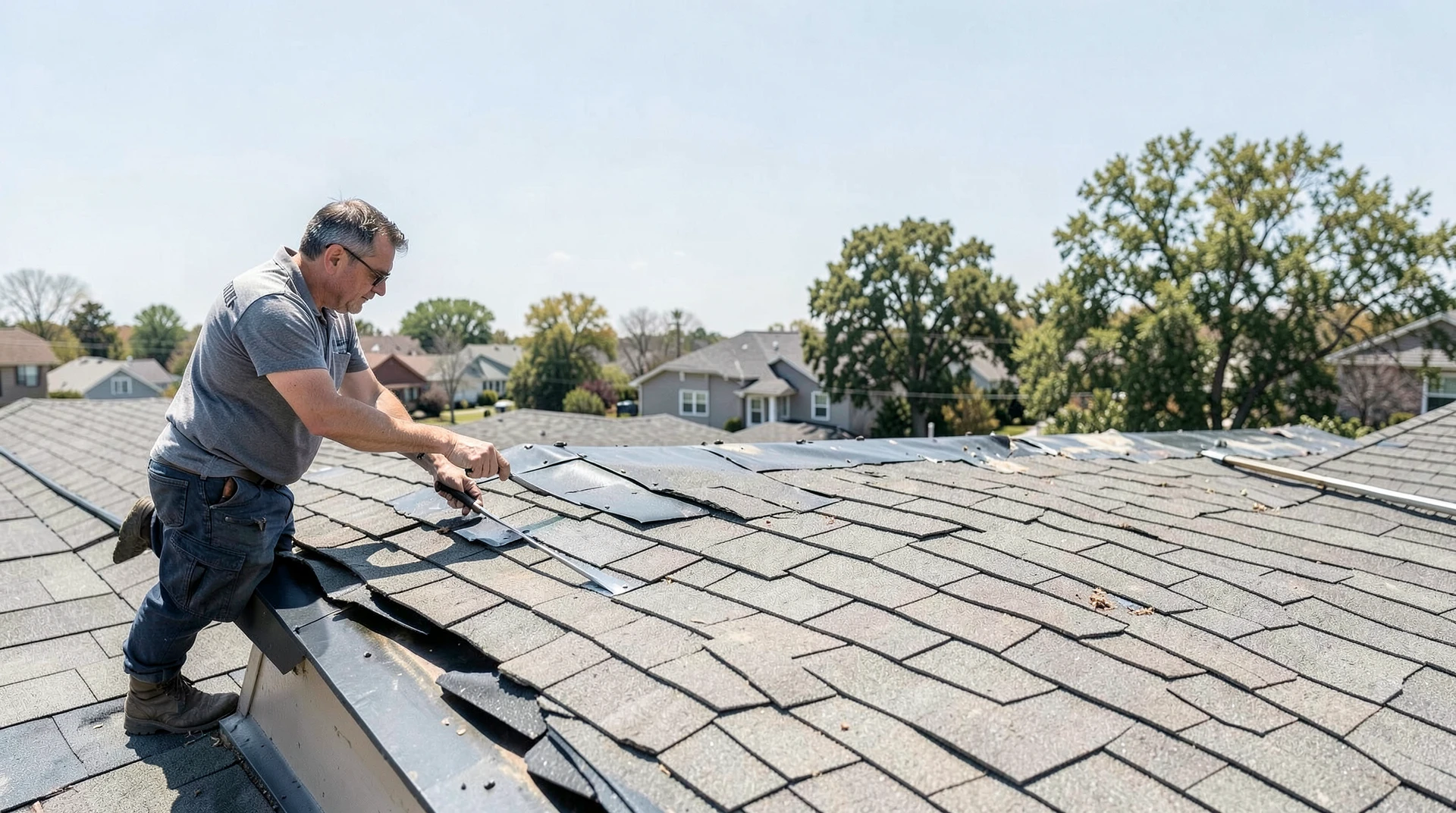
A proper diagnosis cannot happen over the phone; it requires an expert physical survey. When our crew arrives at your Kessler Park home, we aren't just looking at the shingles you can see from the street. Our inspection is deep and methodical. We check critical components that are often hidden or overlooked:
- Flashing: The metal pieces around chimneys, vents, and valleys-these are notorious failure points.
- Drainage Points: Are your gutters backed up? Is water flowing where it should?
- Structural Supports: Especially after severe hailstorms or high winds, we must inspect the underlying wooden decking for signs of compromise, mold, or rot.
For homeowners dealing with older homes in areas like Knox-Henderson or Oak Lawn, this structural check is non-negotiable and helps us prevent future, more catastrophic leaks. This thoroughness ensures that when we estimate how long does a typical roof repair service take?-we are giving you an accurate picture of the true scope of work.
To make this process as clear as possible, here is what our inspection typically covers:
- Visual Assessment: Checking for missing shingles, granules loss (especially common after intense heat cycles), and obvious tears in membrane materials.
- Systematic Walkthrough: Moving across the roofline to inspect all seams, penetrations (vents, pipes), and flashing junctions.
- Diagnostic Report: Compiling all findings into a clear report for you, showing exactly what needs fixing and why it failed.
Understanding the Repair Process: From Diagnosis to Done
Once we have completed our detailed inspection, we move into the repair phase. It is vital to understand that a "roof repair" is not one single job; it’s a sequence of specialized tasks performed by different trades within the roofing system. The duration depends entirely on what needs fixing and how complex the failed component is.
Addressing Common Repairs (And Their Timelines)
We break down repairs into tiers to manage expectations:
- Simple, Localized Shingle Patch Work: If only a small section of shingles has failed due to high winds or age, this can often be completed in half a day. We treat it like surgical work-precise and quick.
- Complex Leak Remediation (Flashing/Membrane): When the leak involves multiple materials-for example, needing replacement copper flashing and application of specialized rubberized sealant beneath a vent-this requires careful preparation and curing time. These jobs typically take 1 to 2 full days. This is partly due to setting times for sealants and adhesives, which cannot be rushed without compromising the long-term integrity of the repair.
- Full Section Replacement (Modified Bitumen or TPO): If we find that an entire section of flat roofing has failed, requiring us to replace modified bitumen or TPO membrane across a large area, this is significantly more involved and could require multiple full days.
The Process of Structural Integrity Check
We are not just fixing the visible hole; we are looking at the foundation of your roof. If water has penetrated the outer layers (the surface material), it can compromise the underlying wood decking or structural supports. Inspecting for this hidden damage-like rot or compromised joists-adds time, but it is absolutely necessary. Addressing these foundational issues upfront saves you from having to deal with a much larger emergency failure down the line.
Minimizing Disruption and Logistics
We know that your life doesn't stop because of a roof leak. We are highly conscious of homeowner inconvenience. When planning the repair window, we focus heavily on logistics:
- Scheduling Around You: We work with you to schedule repairs around your routine-whether that means limiting setup noise until after 8 AM or coordinating access times for your garage or driveway.
- Protective Measures: During the entire process, we use meticulous protective measures, including temporary tarps and barriers, ensuring that no debris or materials damage your lawn, landscaping, or home's exterior fixtures.
What Makes a Repair Take Longer? The 4 Key Variables
To truly answer how long does a typical roof repair service take?, you must understand the variables that dictate our schedule-variables that are rarely simple.
1. The Severity of Damage (The Biggest Variable)
This is the primary factor. A minor missing shingle in a small patch area takes hours; extensive hail damage requiring full ply-by-ply replacement across multiple slopes changes the timeline drastically, potentially moving the project from days to weeks. Always manage expectations based on both visible signs and potential hidden damage underneath. If we suspect systemic issues (like granule loss covering vast areas), the process requires time for careful removal and preparation before installation can begin.
2. Material Access and Weather Conditions
We are bound by physics, and Central Texas weather is no exception. If the specialized material needed-say, custom-fabricated standing seam metal for maximum high wind resistance-needs to be sourced from a specific supplier, that delay adds non-negotiable time. Furthermore, if heavy rain or extreme heat is forecast, we must wait. Improper adhesion of sealants or adhesives due to temperature fluctuations cannot be rushed; waiting ensures the repair lasts decades, not just months.
3. Accessibility of the Site (The Logistics Challenge)
Think about your property layout. Is it steeply pitched? Does it have multiple levels? Do you require specialized equipment like industrial lifts or scaffolding because of difficult angles or sheer height? These logistical needs dictate the initial setup time and overall completion speed. A job that appears small on paper may require a massive staging area for tools, materials, and safety personnel to execute safely.
4. Insurance & Permitting Coordination
This is often where homeowners get stuck in delays. If an insurance adjuster needs to verify structural damage or if local permits are required for the scope of work (especially commercial repairs), that coordination adds non-negotiable time outside of our control. Our role here is to manage this complexity transfer, acting as your advocate to streamline communication with these third parties so you don't have to manage it alone.
The Bigger Picture: When Repair Moves Toward Replacement
As experienced roofing specialists, we believe the most important conversation we can have isn't about a patch; it's about longevity and whether a repair is truly worth the investment. David Jenkins’ signature perspective is this: the true secret to roof longevity is mastering regular inspection and preemptive care before major storm damage hits.
Identifying the Tipping Point
If your roof requires more than 30% of its original material replaced in one year, or if you find yourself needing multiple emergency repairs across different sections within a short period, it signals that the entire system has reached the end of its useful life. At this point, replacement is not just an option-it’s the financially sound choice to prevent recurrence and maximize your home's equity.
Understanding System Failure vs. Damage
It is crucial for homeowners to differentiate between localized damage (like a chimney flashing failure) and systemic failure. A single cracked piece of metal is damage; if you find that entire sections of TPO or modified bitumen are brittle, chalking, or shedding extensively across wide areas, that’s systemic failure. Attempting minor repairs on a system undergoing widespread failure only delays the inevitable and costs money in the process.
Cost-Benefit Analysis for Longevity
We always guide our clients through a cost-benefit analysis. We compare the cumulative expense of repeated emergency repairs (the immediate fix, the next leak, and the next patch) versus the stable, predictable investment of a comprehensive new installation-like upgrading to metal roofing, which provides superior long-term value against Central Texas's extreme temperature swings.
Securing Your Investment: Proactive Maintenance in Central Texas
Ultimately, the most reliable "timeline" is zero time spent on repairs. The best defense against costly and disruptive repairs is proactive maintenance.
The Value of Preemptive Inspection
After major regional severe weather events-whether it’s strong hailstorms or high-velocity winds-the immediate temptation is to call for an emergency repair. However, we urge you to consider a comprehensive preemptive inspection first. These inspections catch minor issues, such as early granule loss or small hairline cracks in flashing, before they have the chance to become catastrophic leaks that require days of labor and thousands of dollars.
Understanding Local Risks
We are deeply familiar with the unique hazards of our region. Whether you live near White Rock Lake, experiencing rapid temperature shifts, or in an area prone to high winds tearing off flashing, your roof is under constant stress. These local factors mean that what might be a minor inconvenience elsewhere can become a major structural issue here.
The Simple Homeowner Checklist
You don't need to be a professional roofer to spot potential issues. When you are concerned about leaks or damage, keep these four things in mind:
- Visible Staining: Any dark streaks running down the fascia board or side of your home often indicate water following an internal leak path.
- Granule Loss: Noticeable patches where asphalt shingles have lost their protective granules suggests UV degradation and potential failure points.
- Pooling Water: If you see standing water collecting near drain lines, it signals poor drainage that could accelerate material decay.
- Flashing Separation: Any noticeable gap or separation in the metal flashing around chimneys or vents needs immediate attention.
If you notice any of these signs, do not wait until a storm hits; call us immediately for an expert assessment.
We are your local resource for peace of mind. We manage the entire process-from initial inspection and complex diagnosis to final cleanup and warranty work. When you partner with us, you get more than just roof repair; you get decades of confidence in your home's structural integrity. Call us today at +1 469-589-3827 or visit our office at 426 N Denver St, Kessler Park, TX 75203 for a clear, upfront consultation.