
As the expert friend who has lived in Central Texas for decades, I’ve seen firsthand how quickly a home's exterior can tell its story-and sometimes, that story is one of stress. If you live in Kessler Park or any part of the greater Austin area, you know our weather swings are intense; we experience cycles of scorching summer heat and sudden, brutal cold snaps. This constant thermal expansion and contraction puts immense strain on every component of your roof system.
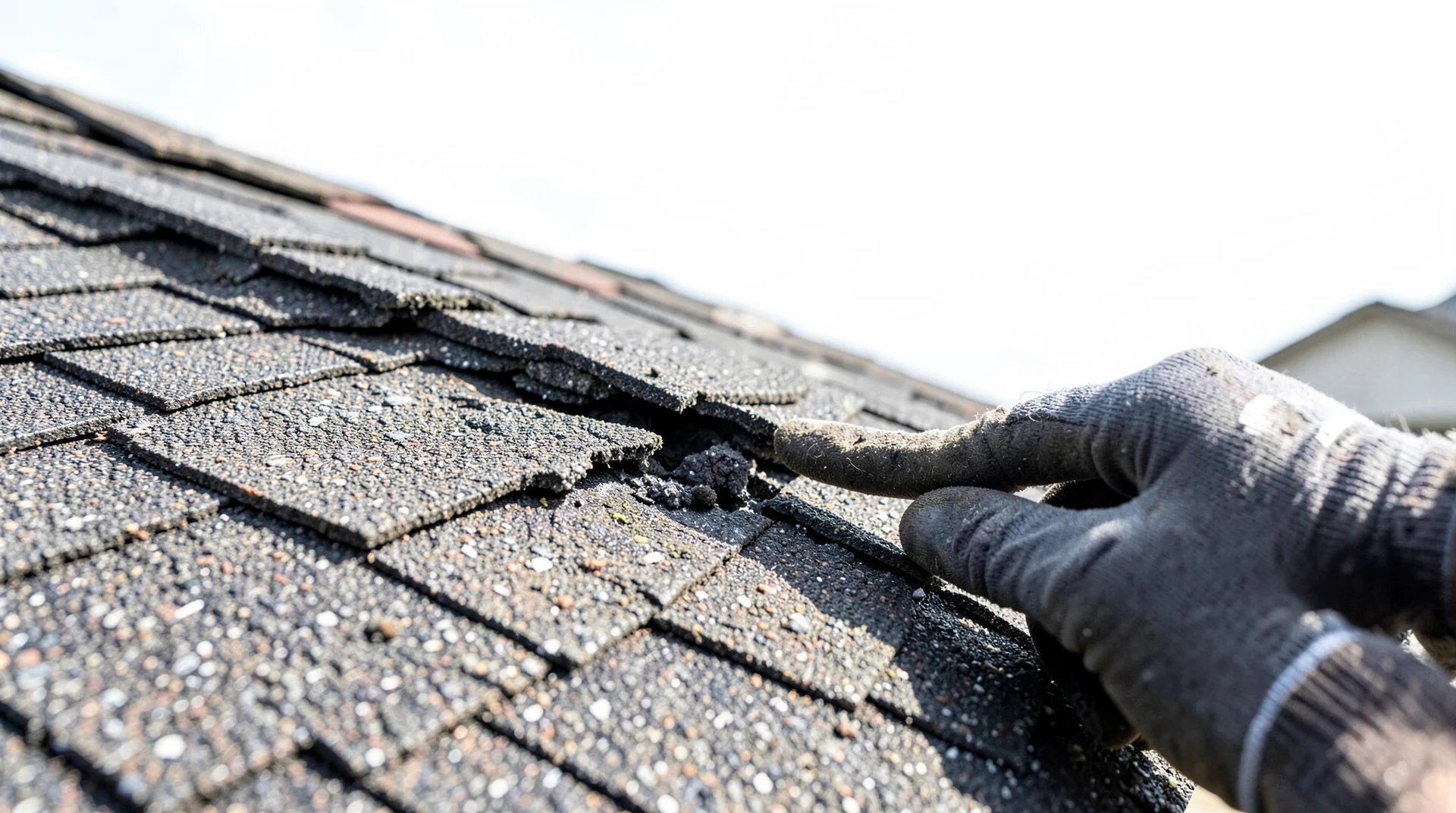
If you’ve noticed shingles that appear to be lifting, buckling, or popping off-these visible signs are what homeowners often refer to as nail pops. While they can look like a simple cosmetic flaw, understanding the true nature of repairing nail pops in asphalt shingles is crucial because these superficial issues are often flashing warnings about deeper structural stress.
Understanding Nail Pops: What They Signal About Your Roof's Age
To correctly address this issue, we first need to understand what we’re looking at beneath that visible surface damage. "Nail pop" itself is a descriptive term for the visual symptom-the lifting of asphalt shingles-but it doesn't always mean actual fasteners failed. It means there is a point of failure or stress in the system.
Defining the Problem Clearly:
In plain language, nail pops are areas where the shingle material has lost its proper adhesion to the underlying decking or underlayment, causing the entire section to lift and look popped open. While some popping can be directly linked to fastener issues (the nails holding the shingles), it is far more often a sign of deeper material fatigue.
Identifying Root Causes Beyond Just Nails:
It’s essential for homeowners not to blame just one thing. When we evaluate pops, we consider three primary contributing factors:
- Thermal Cycling Stress: This is perhaps the biggest culprit in Texas. The extreme difference between a blazing hot day and a cold night causes materials (asphalt, wood decking, metal flashing) to expand and contract at different rates. This differential movement builds stress pockets that eventually compromise adhesion.
- Asphalt Fatigue: Over years of sun exposure and weather cycles, the asphalt itself becomes brittle and loses its flexibility, making it more susceptible to minor shifts or movements in the structure below.
- Improper Underlayment Installation: If the initial installation process didn't properly seal the seams or use adequate flashing around penetrations (like vents or chimneys), localized stress points can form that lead to popping over time.
Why a Cosmetic Issue is a Structural Warning:
We must never treat nail pops as merely cosmetic damage. When you see multiple popped areas, it indicates compromised adhesion across an entire section of the roof assembly. The shingle only holds its place because of gravity and the underlying material. If that adhesion fails, the integrity of the water barrier-your most critical defense against the elements-is already weakened.
The Importance of Initial Inspection:
Because the root causes are so varied, you cannot diagnose this issue simply by looking at a popped shingle. You need an initial professional inspection. Our team doesn't just count pops; we assess why they are popping, determining if the failure is localized (a small patch over a flashing joint) or systemic (widespread material degradation).
Beyond the Surface Damage: Why Ignoring Nail Pops Can Cost More
The biggest mistake homeowners make when dealing with visible roof damage is assuming that because it's only "pops," the threat is minimal. This assumption can lead to major, unexpected structural problems down the road. My signature perspective has always been this: the true secret to roof longevity is mastering regular inspection and preemptive care before major storm damage hits.
The Hidden Threat of Water Infiltration:
Even a small popped area creates an immediate pathway for moisture. Rain doesn't just flow over your roof; it exploits the weakest point. This seemingly minor breach can allow water behind the shingle layer, leading to secondary and potentially catastrophic damage far from the initial failure site. We are talking about attic mold growth (which is not just a health hazard but can also accelerate structural wood rot) and compromised insulation efficiency-all stemming from that one small pop you dismissed.
Addressing the Insurance Complexity Angle:
This is a point I hear frequently from discerning property owners in Kessler Park. When water leaks occur, especially if they are chronic or signs of age were visible, insurance claims become immensely complicated. Insurers are meticulous; they will question whether the leak was due to an acute event (like a hailstorm) or if it resulted from long-term neglect or systemic failure that could have been addressed earlier. Proactive care is your best defense when dealing with potential claims down the line.
The Cost Curve Fallacy:
People often fall into the "cost curve fallacy"-the belief that they can afford to postpone a repair until a catastrophic event happens. The reality of roofing is that waiting always costs more. It is infinitely cheaper and less stressful to proactively address repairing nail pops in asphalt shingles today than to wait for a major storm, which could lead to an extensive leak requiring multiple temporary fixes, emergency tarping, and significant structural mitigation efforts later on.
Distinguishing 'Repair' from 'Stabilization':
This is one of the most important distinctions we make. Sometimes, simply fixing the popped shingle using adhesive or flashing isn't enough-and attempting only that can lead to immediate recurrence. True stabilization might require reinforcing the entire section (e.g., applying a waterproof coating under the affected area or installing specific flashing) to address both the symptom and the underlying stress point simultaneously.
The Repair vs. Replacement Decision: When Is a Simple Fix Enough?
Deciding if your roof needs a quick patch job, a moderate repair, or a full replacement can feel overwhelming. It involves balancing immediate cost against long-term peace of mind. As experts who handle everything from single residential units in White Rock Lake to large commercial properties in Knox-Henderson, we guide our clients through this process using clear criteria.
Three Criteria for Minor Repair Eligibility
A minor repair is usually appropriate when the damage meets all three of these conditions:
- Minimal Area Affected: The popped area must constitute less than about 10% of the overall roof surface.
- No Adjacent Granular Loss: There should be no visible signs of excessive granule loss or missing material on the shingles immediately bordering the pops, as this suggests widespread degradation.
- Sound Underlying Decking: Crucially, when we examine the exposed decking beneath the popped area, it must be dry and structurally sound, without signs of rot or major water saturation.
When Replacement is Non-Negotiable (The Tipping Point)
There are clear 'tipping points' where repair is no longer viable because the underlying issue is too systemic:
- Widespread Failure: If pops are widespread across multiple zones, indicating that the failure is due to general material aging or deck fatigue rather than a single point of stress.
- Compromised Flashing/Underlayment: If the primary flashing (around chimneys, valleys, etc.) or the entire underlayment beneath the shingles is compromised by mold, rot, or severe tear-out, merely fixing the shingle doesn't solve the main water barrier problem. A full tear-off and replacement are necessary for true longevity.
Understanding Lifespan vs. Repair Cycles:
For most standard asphalt shingled homes in Central Texas, we typically see a functional lifespan of 15 to 25 years, depending heavily on maintenance, local climate severity, and the quality of materials used initially. We frame this discussion around long-term investment protection-a roof is one of your largest assets, and its planning needs to align with your property’s overall lifecycle plan.
The Process Breakdown: What a Full Replacement Includes:
If we determine that a full replacement is necessary, it's critical to understand the scope of work so there are no hidden costs later on. A complete roof replacement includes several key steps:
- Tear-off and disposal of all existing materials (shingles, old underlayment).
- A thorough inspection of the decking to identify any rot or compromised wood that needs remediation.
- Replacement or reinforcement of flashing systems (this is critical for water management).
- Installation of new underlayments and drip edges.
- The application of the new shingle system, correctly installed over all penetrations and vulnerable seams.
Proactive Protection: Mastering Roof Longevity in Kessler Park Weather
If we are to talk about truly protecting your investment, we must shift our focus from reactive fixes to proactive protection. This is where professional oversight saves you time, money, and stress during a major storm event. Remember, the true measure of roof care is preemption.
Incorporating Local Expertise:
The rhythm of life here in Austin-whether you're dealing with intense summer heat cycles near Knox-Henderson or preparing for seasonal storms around White Rock Lake-demands a proactive approach to roofing. We don't just fix roofs; we anticipate how the specific local weather patterns will stress your materials over the next decade.
Advanced Materials Discussion:
When replacement is due, modern options offer far more durability than older styles. For instance, if you are concerned about hail damage or high wind shear, metal roofing is an excellent alternative because of its incredible impact resistance and lifespan. High-grade architectural shingles also provide enhanced aesthetic appeal alongside improved weather seals compared to standard asphalt. We always walk the homeowner through the cost/benefit trade-off-a metal roof costs more upfront but drastically reduces long-term maintenance and risk, especially in areas prone to severe weather.
The Value of a Comprehensive Inspection:
Never let us inspect just for popped shingles. A full system check is the single most critical step we recommend. This comprehensive inspection involves looking at:
- Flashing integrity (especially around vents and pipes).
- Gutter drainage pathways (are they clogged or sagging?).
- Attic ventilation (is there enough airflow to prevent moisture buildup?).
The roof, gutters, flashings, and attic are a single, interconnected system. If one part fails, the whole system is at risk.

Preparing for Severe Weather:
Before any major hailstorm or wind event-especially as we head into seasons of unpredictable Central Texas weather-there are simple steps homeowners can take: securing loose items on the roof (like vents or chimney caps), ensuring gutters are clear, and keeping an eye out for minor leaks that might have been missed during normal operation.
Taking the Next Step Toward a Secure Roof System
Navigating roofing decisions is inherently complicated because it involves building codes, material science, weather patterns, and significant financial investment all rolled into one. It can feel like too much to manage on your own.
Addressing the Complexity Transfer Objection:
Please do not worry about coordinating this complex process alone. That’s where we come in. Our expertise allows us to handle every aspect: structural assessment, recommending the best materials for your specific Kessler Park location and climate profile, and coordinating the installation crew. You provide the trust; we provide the technical management.
The Clear Call-to-Action Setup:
Your next step should be a no-obligation, thorough consultation. We are committed to transparency: this means providing up-front estimates based on our initial site assessment. Before any single tool is picked up or any material is ordered, you will review all potential hidden costs and understand exactly why we are recommending what we recommend.
Reinforcing Trust Through Local Expertise:
Our years of experience in Central Texas mean that we don't rely on generic roofing guides; we specialize in understanding the hyper-local building codes, the specific performance requirements for materials exposed to this unique mix of humidity and dry heat, and the best practices needed right here in your neighborhood.
Final Reassurance:
We understand that roof work is invasive, disruptive, and expensive-and those concerns are valid. But please know that our commitment goes beyond just fixing leaks or repairing nail pops in asphalt shingles. We treat your home like it's our own investment. By prioritizing proactive inspection and maintenance now, we help ensure the security and lasting value of your property for decades to come. If you have any questions about roof leak signs for homeowners, or if you simply want a second opinion on aging materials, don't hesitate to call us at +1 469-589-3827. We are ready to help secure your family’s peace of mind.