
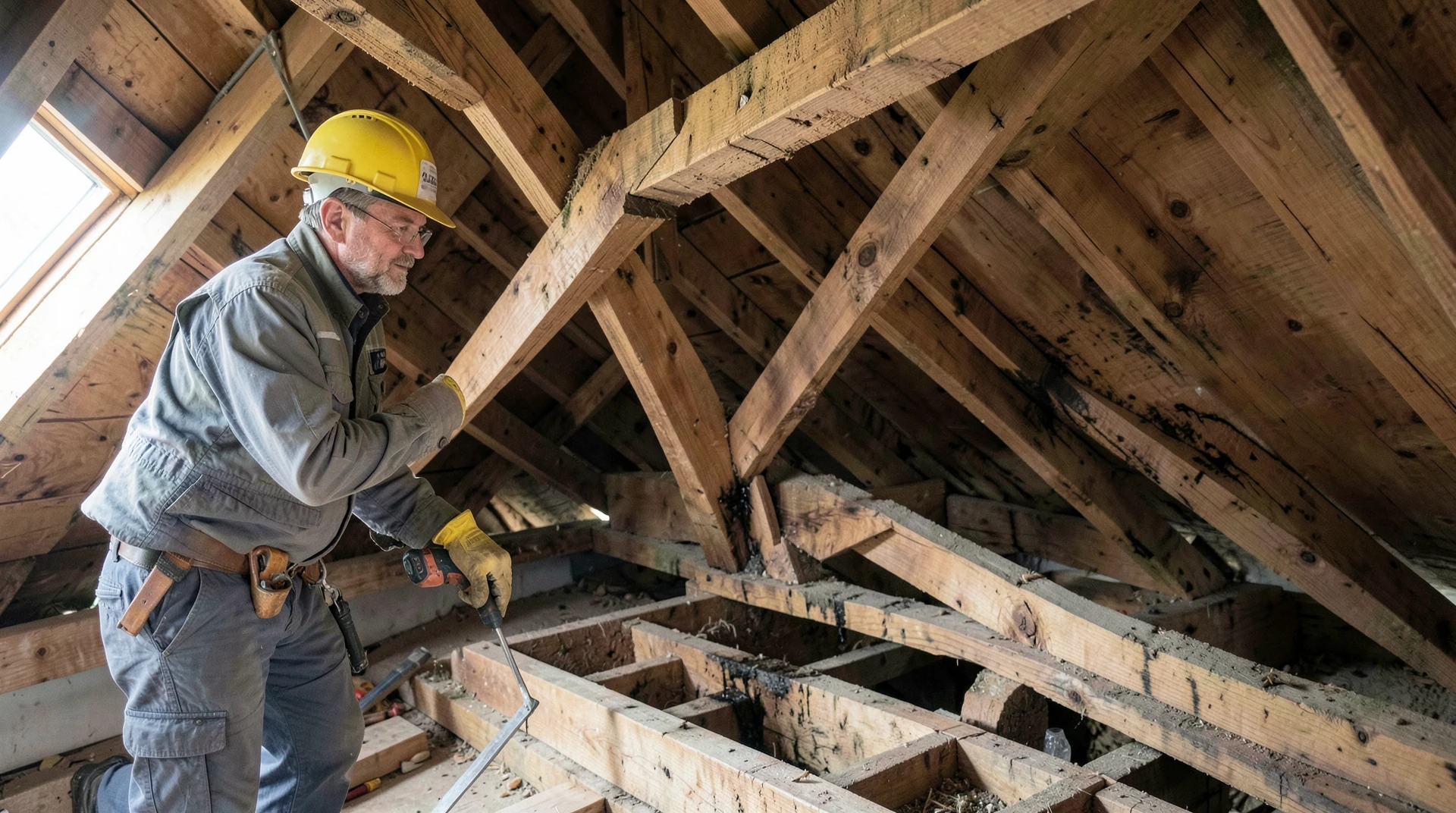
When you discover a wet stain on your ceiling or find puddles accumulating in your attic space, the natural reaction is panic. You immediately think: What piece failed? Was it just one missing shingle? If that’s your thought process, I want to start by telling you something crucial that few homeowners realize: it's rarely just one shingle.
As someone who has spent decades working with roof systems across Central Texas, my professional focus has always been on proactive maintenance and understanding the sheer complexity beneath the visible surface. A leak is seldom a simple failure; it’s usually the symptom of several complex failures happening far from where the water appears inside your home in Kessler Park. Understanding what causes a persistent roof water leak? requires looking past the obvious damage and examining the structural integrity, the penetrations, and the history of moisture exposure itself.
It's Rarely Just One Shingle: Understanding Why Your Roof Leaks
The most common misunderstanding I encounter is that if the visible roofing material looks mostly intact-the shingles are still in place, the surface seems solid-then the house must be safe. This couldn’t be further from the truth. A persistent leak suggests a failure mechanism that doesn't rely on brute force or dramatic storm gushes; it relies on slow, insidious entry points. Understanding that even when the visible roofing material appears fine, it’s crucial to remember that proper inspection reveals where you can find Quality materials for lasting protection.
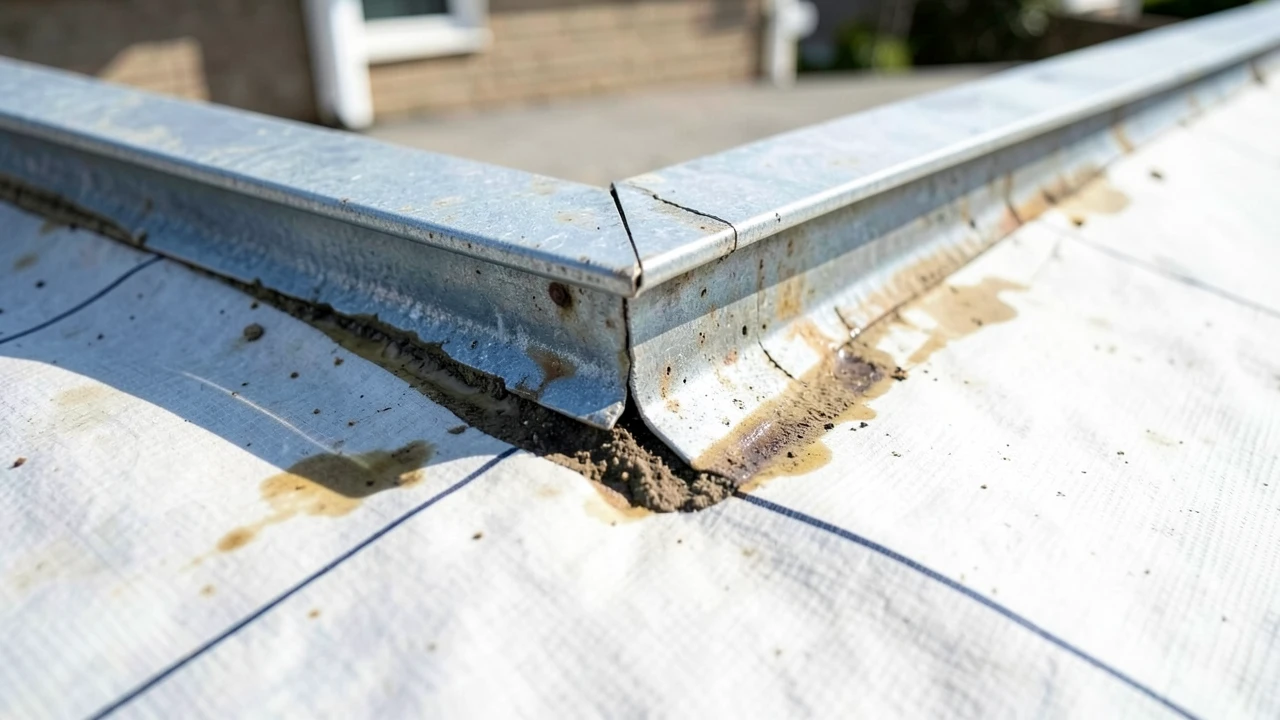
The vast majority of roofing leaks originate not from the flat planes of asphalt shingles, but from flashing and penetrations. Think about any structure in Kessler Park: you have chimney stacks poking through the roof, vent pipes for HVAC systems, plumbing vents, and exhaust fan mounts. Each time a pipe or stack penetrates the protective membrane below, it creates a structural weak point. These flashing areas-the metal strips designed to seal around these intrusions-are highly susceptible to deterioration. Over decades of expansion, contraction from extreme Texas heat cycles, and simple UV damage, the sealant along these flashings can fail, allowing water to seep down into the layers beneath, even if the shingles above them look perfect.
Furthermore, we need to address the "persistent" nature of this problem. Many leaks are slow drips that accumulate over months, not dramatic gushes after a major storm event. This is often due to issues with the underlayment-the protective blanket installed just below the visible roofing material. When these layers degrade or when water simply has nowhere to go and starts traveling along compromised pathways, you get subtle, continuous moisture intrusion, leading to that persistent leak that can be devastatingly hard to trace without expert help.
The Hidden Culprits: Structural and Material Failures
To truly diagnose what causes a persistent roof water leak?, we have to look beneath the surface layers entirely. We are looking at material science, structural mechanics, and chemistry all rolled into one complex roofing system.
Underlayment Degradation
The underlayment is your primary defense layer-it’s what keeps the water out before it hits the decking or framing below. Over time, this protective barrier can be compromised by several factors. UV rays from the intense Texas sun are notorious for breaking down asphalt and synthetic materials. Poor installation practices, insufficient overlap of seams, or repeated moisture cycles that allow standing water to sit on a degraded layer compromise its entire function. It’s like wearing out your strongest pair of shoes-the wear isn't always visible until you take a step in the wrong place.
Damaged Fascia and Decking
Water doesn't just enter through roofing materials; it can infiltrate from the building's structure itself. The fascia boards (the vertical trim along the edge of your roof) are exposed to constant moisture, making them prone to rotting or deterioration. Similarly, if the plywood sheathing (the decking) beneath the shingles suffers water infiltration over many years-perhaps from blocked gutters that direct overflow back against the house foundation-that wood can begin to rot. A rotted section of decking creates a weakness that allows water to pass through even minor surface imperfections. If you suspect structural rot or need advice on a reliable roof replacement service Old East Dallas can provide, understanding the underlying materials is key.
The Impact of Thermal Cycling and Local Weather
Living in an area like Kessler Park means dealing with extreme temperature swings. When temperatures rise sharply, materials expand; when they cool rapidly, they contract. This constant movement-this thermal cycling-puts immense stress on every seal, nail bed, and seam in the roofing system. Over time, this repeated flexing causes microscopic fractures or micro-tears (micro-fractures) that are invisible to the naked eye but allow water entry through capillary action.
Identifying Improper Drainage Paths
Sometimes the source of the leak is literally not on the roof itself. A common culprit is improper grading around the foundation or blocked gutters. If surface runoff from your yard, driveways, or even massive rainwater runoff during a Texas thunderstorm is channeled back up against the structure's siding or roofline-rather than being directed away by proper drainage-it creates constant saturation issues that compromise everything from flashing to foundations.
Beyond Age: Systemic Issues That Lead to Leakage
While age is certainly a factor, focusing solely on how long the roof has been there misses the systemic causes of failure. These leaks often result from compounding small problems, creating what we call cascade failure.
A classic example of cascade failure might be this: You have aging flashing (Issue 1). Simultaneously, your gutters are slightly clogged and not directing water optimally (Issue 2). Then, a powerful hailstorm hits, causing invisible subsurface membrane tears or granule chipping on the shingles (Issue 3). The combination of these three minor issues creates a critical entry point for water that leads to a persistent leak.
We also cannot overlook the impact of vegetation and moisture retention. Tree limbs pressed too close to the roofline or dense shrubbery growing against gutters can trap excessive amounts of moisture, promoting mold growth on wood components and physically damaging metal flashing over time.
And because I specialize in dealing with storm damage, I must emphasize hail impact vulnerability. Even if your shingles look okay after a hailstorm-and often they do, only suffering internal granule chipping or minor surface abrasions-the structural integrity of the underlying membrane can be compromised. These subsurface tears are what allow water to infiltrate and create leaks long after the storm has passed.
Decoding the Diagnosis: What Causes a Persistent Roof Water Leak? (And Why Inspection Matters)
This section is arguably the most important for your peace of mind, because it addresses the fear of hidden costs and guesswork. Many homeowners assume that if they just patch up where they see water dripping from inside, the problem will be solved. This approach-the DIY fix-is dangerous. It ignores the root cause entirely and virtually guarantees recurrence, meaning you pay twice for a temporary band-aid solution.
A reputable roofing expert must understand that diagnosing what causes a persistent roof water leak? requires far more than simply looking at a wet spot from inside your home. The necessary scope of professional inspection involves detailed visual and physical examinations of the entire system, often requiring us to lift sections of flashing or even examine the decking itself in key areas.
A truly competent evaluation means analyzing multiple potential causes simultaneously. Our report won't just say, "The roof is old." Instead, we will provide a comprehensive diagnosis detailing all contributing factors: for instance, "This leak is due primarily to flashing failure around the chimney stack, which was exacerbated by decades of extreme thermal cycling and worsened by poor drainage grading on the northern face."
Understanding this complexity helps establish the correct replacement timeline. Persistent leaks are often not just signs of current damage; they are signal flares that your roofing materials have reached their end-of-life cycle within a harsh climate like Texas. We guide you toward understanding when it is time for new roofing in TX, ensuring the longevity and safety of your investment. For homeowners needing reliable service, understanding the local market means knowing when to seek professional help for roofing in Peyton Place, TX.
Protecting Your Investment: Steps After Identifying a Leak
Once we pinpoint the source-whether it's structural rot, failed flashing, or general material exhaustion-the path forward must be executed methodically to protect your home from further damage.
First, immediate mitigation steps are critical while you await professional help. If an active leak is occurring, placing temporary tarps over the visible area can buy time, but remember that safety comes first; never attempt repairs on a wet or unstable roof yourself.
Second, understand the urgency of rapid remediation. Water damage doesn't just stop at the drywall. It causes secondary issues: mold and mildew in the attic space, structural rot in joists, and compromised electrical systems. Speed is not optional; it is critical for minimizing financial loss and preserving your home's air quality.
When considering materials, we approach it through a problem-solving lens. For example, if you are concerned about hailstorms common to the region, we can recommend impact-resistant shingles or standing seam metal roofing systems that offer superior protection against localized debris and severe weather events. Our goal is always to select a material that solves your specific local problems.
The clear path forward for any homeowner in Kessler Park dealing with this complex issue involves these four steps, designed to combat anxiety about complexity: For homeowners specifically looking for reliable local roofing help in the area, understanding these initial steps is crucial.
- Inspection: A thorough, detailed evaluation of the entire roof structure and drainage system.
- Diagnosis: Providing a comprehensive report detailing all contributing factors that caused the leak.
- Quote: Presenting clear, transparent estimates for repair or replacement, with no hidden fees.
- Repair/Replacement: Executing the necessary work by highly trained local crews who treat your property like their own.
Don't let a mysterious stain on your ceiling become a source of anxiety. Trusting to experts like Trinity Mills local roofing experts who understand that roofing is about proactive care-not just reactive repairs-is the best way to secure your home against Texas weather, ensuring that you know exactly what to expect and how to proceed with confidence.