

Finding water dripping into your home is one of the most stressful experiences a homeowner can face. The immediate panic-the sense that everything has failed-is completely understandable. However, before you grab a bucket or start searching for visible cracks, take a deep breath. While it feels like an emergency, understanding where the leak is coming from requires specialized knowledge far beyond what simple visual inspection can provide.
I’ve spent decades working with roof systems across Central Texas, and if there is one thing I've learned, it’s this: treating a symptom (the drip) without identifying the source (the failure point) only guarantees that you pay for temporary fixes that won't last. A leak isn't just about a missing shingle; often, it’s a complex interaction between aging materials, localized structural stress, and our intense Texas weather cycles.
The best defense, as I always tell my neighbors in the Kessler Park area, is proactive inspection-not reactive panic. Minor issues that seem inconsequential today can become major disasters after the next hailstorm or extreme downpour if they are ignored. When we see the amount of severe weather hitting areas like Knox-Henderson and White Rock Lake, thorough inspections aren't a luxury; they are mandatory insurance for your home’s structural integrity. If you suspect damage from severe weather, understanding options like Hail damage roof repair can help guide your next steps.
Beyond the Drop: The Three Common Culprits When Identifying Sources of Water Leak on Roof
When people think about leaks, their minds usually jump to missing or damaged asphalt shingles. While those issues certainly contribute, that assumption is often incorrect and dangerously simplistic. Most roof leaks are not caused by a single, obvious failure; they are typically the result of small, overlooked structural weaknesses where two different materials meet. These fail points-the true culprits when identifying sources of water leak on roof-are almost always located behind the visible roofing material.
1. Flashing Failures: The Silent Culprit
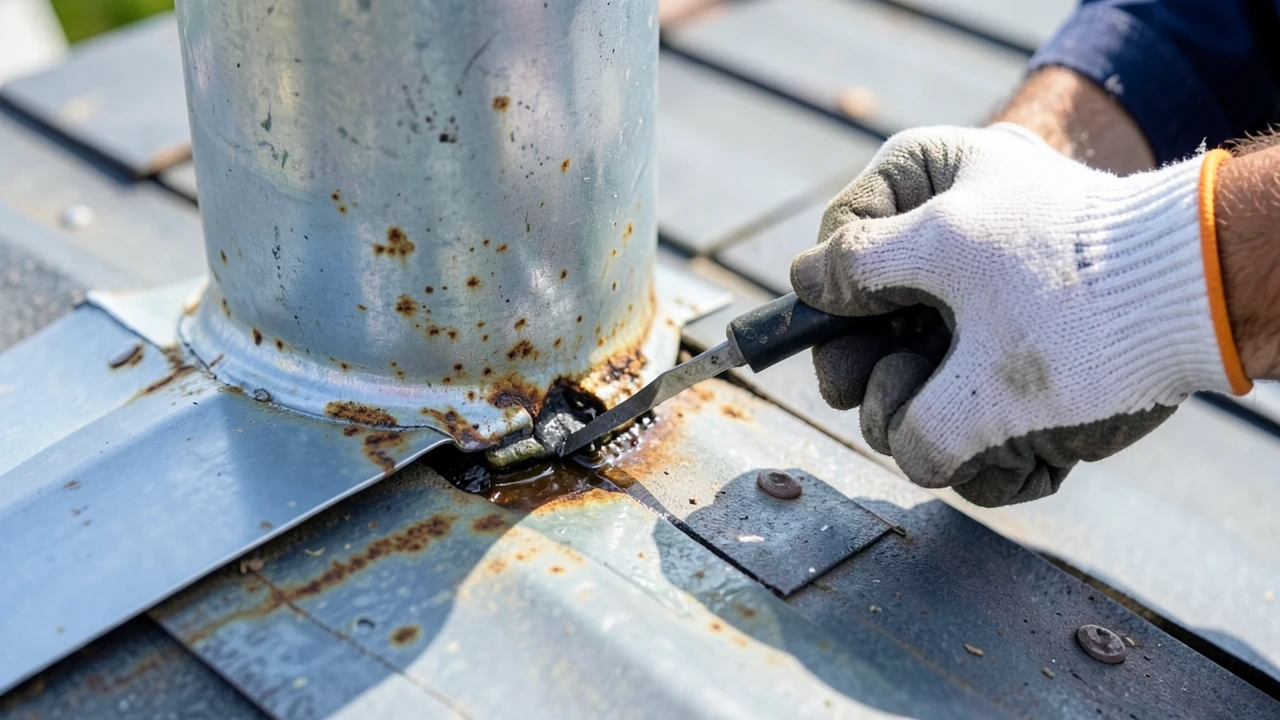
Flashing refers to the metal or waterproof membrane pieces used around vertical elements like chimneys, bathroom vents, wall penetrations, and any structural corner (juncture) where the roof plane meets a vertical surface. This is, without question, the single most common overlooked source of leaks. Over time, these flashings are subjected to constant thermal expansion/contraction, UV degradation, and chemical reactions from local moisture. If the sealant used decades ago has cracked, or if the metal itself has begun to corrode (especially with acidic rain), water can penetrate beneath the flashing-a leak that will appear nowhere near its actual entry point.
2. Drainage System Issues: The Redirecting Hazard
Water naturally follows the path of least resistance, and your gutters and valley seams are critical components in managing runoff. If gutters become clogged with decades of debris (pine needles, leaves, etc.), they can back up water directly onto the roof surface. Similarly, poorly pitched or compromised valley seams-the channels where two roof planes meet-can allow standing water to pool. This pooling doesn't just hold water; it increases hydrostatic pressure beneath the roofing material, which eventually forces water up through cracks and gaps.
3. Penetration Points: Where Structures Meet Roofing
Every time a piece of mechanical equipment (like an HVAC unit), plumbing vent stack, or exhaust pipe passes through the roof deck, you create a penetration point. These spots require highly specialized sealing methods-often involving copper flashing, rubber collars, and waterproof membranes-that are far more complex than simply applying caulk. Amateur repairs often fail to account for differential movement (where one structure moves differently from another due to foundation settling), which is why these points remain a high risk when identifying sources of water leak on roof.
The Detective Work: Visual Clues That Signal a Hidden Problem
While the best way to identify sources is with professional equipment, knowing what to look for empowers you and helps us narrow down our diagnostic efforts when we arrive at your property. Think of this as your preliminary roof inspection checklist. These clues are signs that something is wrong, even if they aren't the direct source itself.
- Visible Material Degradation: Look closely at your shingles. Are there patches where the granules (the protective layer) are missing? Excessive granule loss signals that the shingle has been subjected to intense UV exposure and moisture penetration over time. Also look for cupping shingles, which appear curved or bent, indicating underlying wood rot or prolonged water saturation beneath the material.
- The Ceiling/Wall Stains (Symptoms, Not Sources): When you find a stain on your ceiling or wall, understand this crucial fact: that stain is a symptom of failure, not the source of it. The actual leak point could be six feet away from where the water enters the interior. This rule makes professional inspection vital because we must trace the water's path back to its origin.
- Secondary Damage: The most worrying clues are often those that appear weeks or months after the initial rain-mold growth, visible wood rot in fascia boards, or damp spots around plumbing fixtures. These signs of secondary damage confirm that moisture intrusion has occurred and accelerates the need for expert diagnosis rather than just a quick patch repair.
As one property manager told me last year regarding an issue near his Oak Lawn units: "We thought it was just condensation." We found that decades of mineral buildup inside a poorly sealed pipe penetration were allowing water to wick into the roof deck, causing significant rot. It’s these subtle indicators that demand a trained eye and technical equipment.
Understanding the Science: How Water Moves Through a Roofing System
To truly grasp why some roofs leak and others don't, we have to understand physics-specifically, how gravity, pressure, and material science interact. This depth of knowledge is what separates an estimator from a certified roofing professional.
The Path of Least Resistance:
Water doesn't just drip; it moves. When massive amounts of water hit your roof during heavy Texas downpours, the force isn't static. The combination of gravity and hydrostatic pressure means that even a seemingly minor crack or gap can be exploited by overwhelming local pressure. A few millimeters of persistent seepage can, over time, compromise decades of material integrity.
Roof Type Vulnerabilities:
Different roofing systems handle stress differently:
- Asphalt Shingles: These are durable but rely heavily on granular coatings and adhesive sealants. Their vulnerability often comes from the failure of those seals or underlying structural rot that allows standing water to build up beneath them, leading to premature failure.
- Metal Roofing (Standing Seam): Metal is incredibly resilient against hail damage, but its seams are the critical point. If a seam is improperly installed, localized pressure can force water into the joint. The longevity of metal systems relies on maintaining perfect seals and proper drainage pitch.
- TPO/Modified Bitumen: These flat roofing materials (often used in commercial settings) rely entirely on membranes and specialized flashing details. Their failure points are almost exclusively related to poor detailing at edges, drains, or penetrations-they rarely fail due to the material itself, but rather how they were installed relative to the building structure.
Understanding this roof life cycle is key. Sometimes, when we identify sources of water leak on roof, it’s not just a repair issue; it's an indication that the entire underlying structure (the decking or membrane) has reached the end of its useful life and needs replacement before further leaks occur.
Moving From Diagnosis to Resolution: The Inspection Process You Can Trust
It is perfectly normal to feel anxious about cost and complexity when facing potential roof repairs. You are worried about being overcharged, dealing with insurance paperwork, and having a project that causes massive disruption to your daily life in Kessler Park or anywhere else in the region. My commitment is to demystify this process entirely. When we perform an inspection, our goal is absolute transparency.
Here is what you can expect when Rock Line Roofing conducts a thorough assessment:
- Detailed Visual Examination: Our crew begins with a meticulous visual check of every square foot, paying particular attention to the flashing and all penetration points (HVAC units, vents). We are looking for evidence of material stress, granule loss, or discoloration that signals moisture intrusion.
- Advanced Diagnostic Tools: Depending on what we see visually, we may employ advanced tools like infrared cameras or specialized scope cameras. These technologies allow us to detect areas where trapped moisture or temperature anomalies exist, helping us pinpoint the exact source of a leak without tearing up your entire roof unnecessarily.
- The Comprehensive Report (No Surprise Fees): You will not receive an estimate full of technical jargon and hidden line items. Instead, you receive a clear report that itemizes why we are recommending certain repairs or a total replacement. The report clearly distinguishes between: A) cosmetic issues, B) minor repairs, C) structural failure requiring immediate attention, and D) preventative measures for long-term longevity.
- Consultation on Local Hazards: Whether we’re examining properties in Cedar Crest or near the beautiful lakes of White Rock Lake, our assessment always accounts for specific regional hazards-be it intense heat cycling, high winds, or severe hailstorms. We are assessing your whole system against local risk.
Ultimately, identifying sources of water leak on roof is a process that must move from diagnosis to an actionable plan. We don't just sell shingles; we manage the structural integrity and longevity of your home’s most critical barrier against Texas weather. When you partner with us, you are partnering with a team committed to proactive maintenance, ensuring peace of mind long after our crews have left the property at +1 469-589-3827.