
How Do I Ensure the Best Fit for Impact Resistant Shingles on Unique Roofs?
When you live in a neighborhood like Kessler Park, where architectural history meets modern design-where you might have slate tile on one wing and traditional asphalt shingle roofing on another-your house is, by definition, unique. And when Central Texas throws a hailstorm or battle with intense heat cycles, that uniqueness becomes your biggest concern. It’s natural to look at the marketing for "impact resistant" materials and assume that buying the toughest shingles available will solve every problem. But roofing, particularly on complex structures, is rarely about just one component.
As an expert who has spent decades working with diverse Central Texas roof systems, I've learned that a truly durable roof isn't built from a single material; it’s an integrated system. Before we even talk about the shingle itself, we have to ask: Is the foundation ready? Understanding how do I ensure the best fit for impact resistant shingles on unique roofs? requires looking past the visible materials and into the structure beneath them-the decking, the flashing, and the underlying drainage.
Learn more about why homeowners choose Rock Line Roofing.
Beyond the Shingle: Why Your Roof's Uniqueness Requires Expert Assessment
The first thing we need to clear up is that when homeowners use the term "unique roof," they often mean aesthetically complex. But from an engineering standpoint, a unique roof means structurally variable. It could involve multiple pitches (slopes), intersecting planes where two different parts of the house meet, or significant features like dormers and high parapet walls. These variables don't just affect looks; they create stress points that any material-even the most impact-resistant shingle-can fail at if not properly supported.
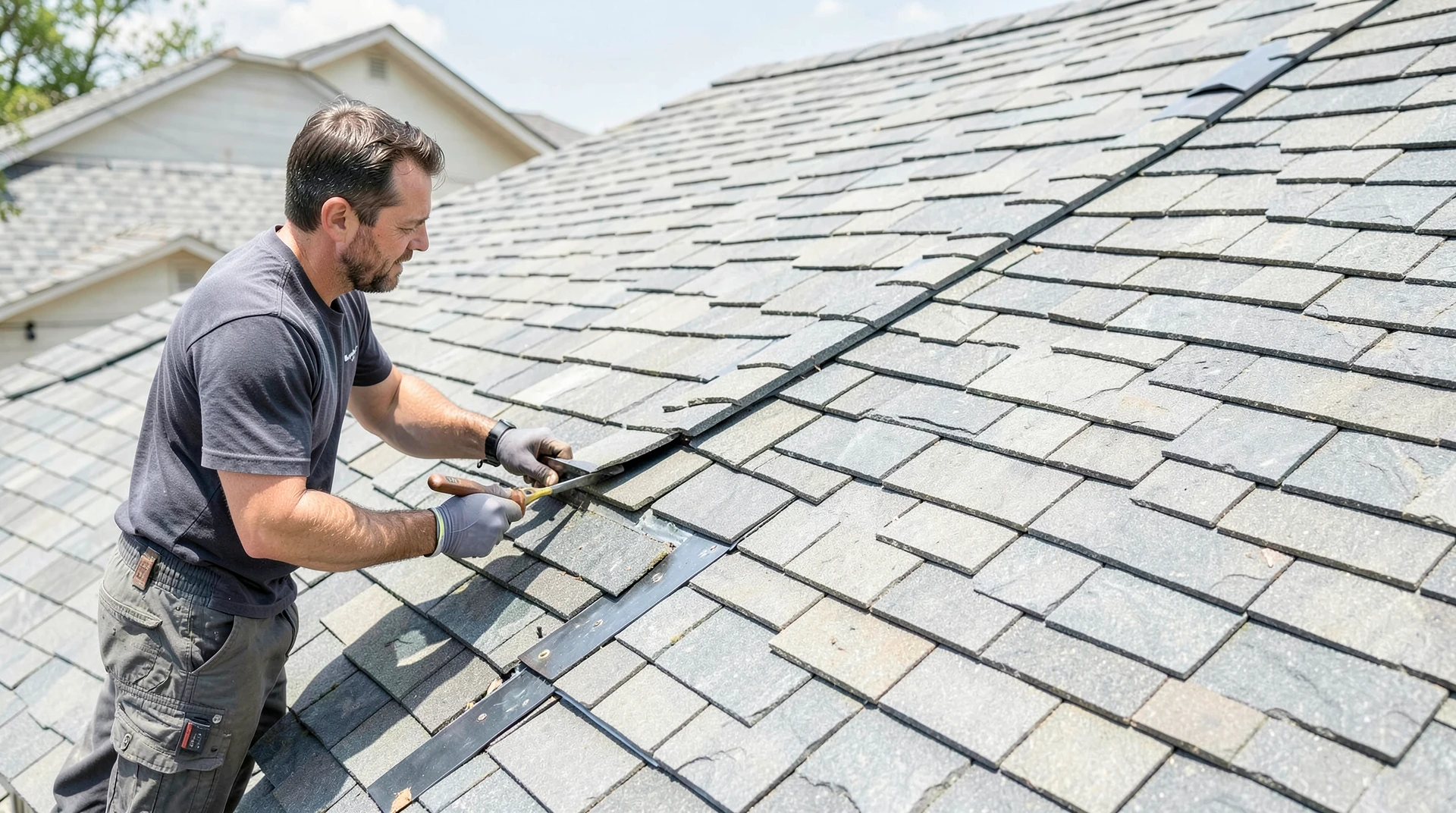
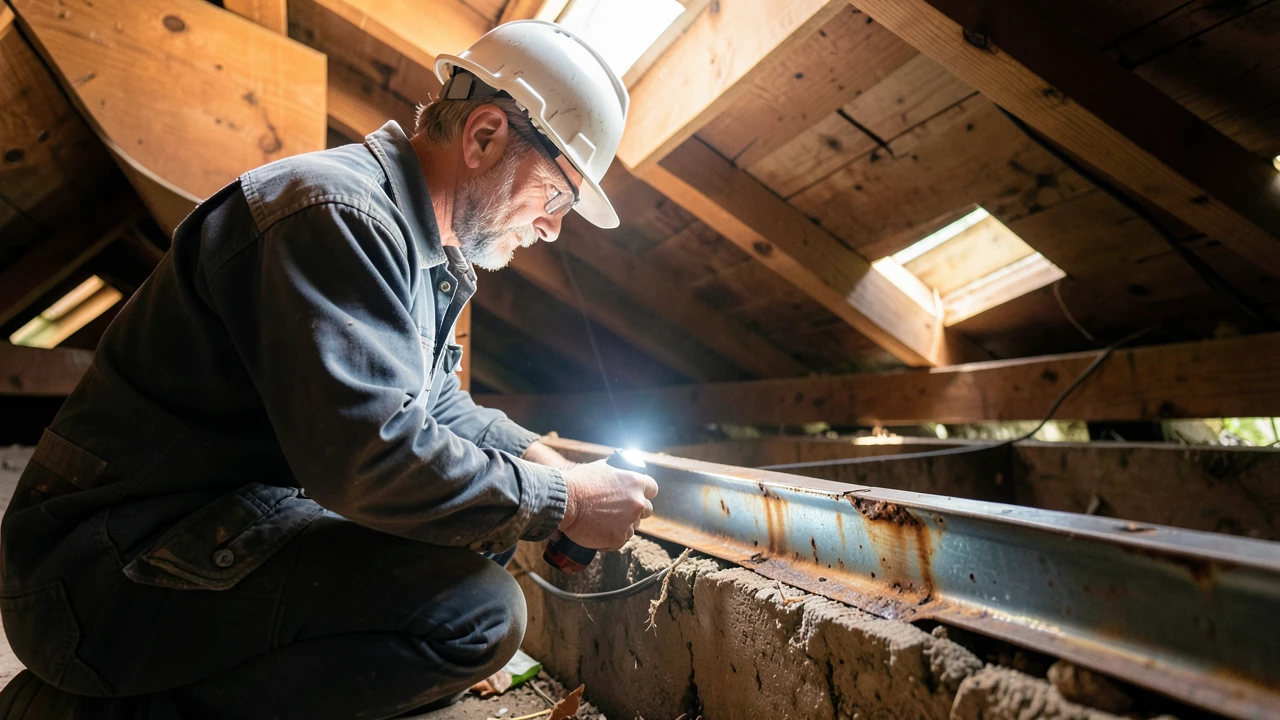
Before we even consider upgrading to a top-tier, hail-rated asphalt product, we must establish a comprehensive scope assessment. Our job is not merely decorative; it’s structural. We inspect the underlying components: the decking (the plywood or OSB sheeting), and critically, the existing flashing and underlying membranes. If the deck has compromised joists, or if the old metal flashing around the chimney chase is corroded beyond use, no amount of modern shingle will prevent a leak when the next heavy rain hits.
We also have to talk about the silent killers. The most common failure point that nobody sees during an inspection is improper ventilation or inadequate drainage points. If moisture builds up beneath the shingle layer because the attic vent fans are clogged or the soffit vents are blocked, you create a trapped environment for rot and mold. This internal pressure buildup can stress materials far more than any passing hailstorm ever could. It’s like trying to put a high-performance athletic shoe on a foot that's already suffering from poor circulation-the component is great, but the system fails.
Decoding Impact Resistance: What Does 'Best Fit' Mean in Severe Texas Weather?
The term "impact resistant" has become a marketing buzzword, and it’s crucial to understand what it means technically versus what it suggests emotionally. When we talk about impact resistance, we are referring to materials that meet specific ASTM standards for resisting force from localized trauma-most commonly simulated hail of certain size and velocity. This is absolutely vital given the unpredictable nature of severe thunderstorms around Kessler Park.
But here’s where many homeowners get tripped up: Impact resistance is only one variable in a durable roof system. It addresses what hits the roof, but not how the roof manages those forces once they happen.
To understand "best fit," we have to look at material science in plain English. High-quality asphalt formulations are designed with specific polymer blends and granule types that allow them to flex and absorb localized trauma without cracking or shedding excessive amounts of protective coating prematurely. These materials offer superior protection against the common hailstones and intense UV exposure found across Central Texas.
However, the true "best fit" isn't the shingle itself; it’s the compatibility between three layers: the foundational underlayment, the flashing, and the shingles. We must integrate synthetic, ice-shielding membranes-especially in areas prone to differential movement (like where a pitched roof meets a flat patio section). These membranes prevent leaks when extreme weather causes sections of the roof to expand or contract at different rates. This coordination is what ensures that your high-performance shingle isn't undermined by a poor foundational layer.
The Technical Variables: Fitting Impact Shingles to Complex Structures
For those with truly complicated homes, like many multi-generational properties in Knox-Henderson, deconstructing the structure into actionable technical variables is mandatory. We can’t treat it like a simple rectangle; we have to address the joints and transitions.
The single most common failure point on unique roofs is not the shingle surface itself, but the transition points where different materials meet-the valleys, the chimney stacks, or where an asphalt roof butts up against a decorative metal parapet wall. These junctions require specialized techniques that go far beyond simply laying shingles over them.
This brings us to flashing. Flashing is not just a piece of metal; it's a highly engineered waterproofing component. When integrating copper or galvanized steel flashing around chimneys and vertical joints, we are performing step-by-step processes-cutting, overlapping, and sealing materials that must withstand constant thermal cycling (extreme heat followed by cool nights). This meticulous labor demonstrates why the cost is necessary; we aren’t just covering gaps, we are creating waterproof seals designed for Central Texas's specific humidity and temperature swings.
We also have to consider pitch variation. A steep slope-common in older homes built before modern setbacks were standard-drains water quickly, which helps prevent standing pools that accelerate decay. But it requires different shingle nailing patterns than a shallow commercial roof or a low-slope flat section. The best fit design changes dramatically depending on the angle of gravity’s pull and how fast the runoff is designed to be.
Finally, proper attic venting is absolutely non-negotiable for maintaining system integrity. This isn't just about preventing heat buildup; it mitigates the cycles of expansion and contraction caused by extreme heat trapped under the roof assembly. When materials are allowed to breathe, they maintain their structural resilience, which is critical for allowing impact shingles to perform optimally over decades.
Beyond Shingles: Securing Longevity with System-Level Protection
To truly achieve longevity, we must shift our focus entirely from single components (the shingle) to the entire roofing system. This holistic approach is what separates a simple repair job from securing your property’s long-term value. When discussing potential new roof installation process Dallas area jobs, for instance, it's equally important to assess the gutters and downspouts.
A truly secure roof system includes more than just asphalt shingles; it involves managing water flow through the entire perimeter-gutters, downspouts, and drainage management systems. If your gutters are clogged with debris (a common issue in mature neighborhoods), the overflow will saturate the fascia boards, leading to rot that can then compromise the edge flashing and cause shingle failure even if the shingles themselves are brand new.
For high-value properties here in Kessler Park, I recommend a proactive maintenance checklist:
- Graded Slopes: Confirming visible drainage paths are clear and directing water away from the foundation.
- Flashing Integrity: Inspecting metal flashing for any visible signs of rust or corrosion that indicates active material failure.
- Granule Loss: Noting excessive granule loss, which can signal UV degradation deep within the asphalt matrix, even if the shingle hasn't cracked yet.
By addressing these secondary systems-the drainage and perimeter management-we preemptively reduce the risk of recurrence. This proactive care is far less expensive and far less stressful than reacting to a major leak or storm damage that has already occurred.
Preventing Costly Mistakes: Your Proactive Roof Plan for Kessler Park Homes
When you are facing potential roof replacement, particularly after a severe weather event, it's easy to feel overwhelmed by the complexity of insurance claims and contractor estimates. We want to demystify this process. Our goal is not just to sell materials; it’s to provide clarity and peace of mind, giving you control over your home’s protection.
If you are dealing with a major loss-say, needing advice on when to replace a roof due to hail damage-the first step is establishing clear communication between the insurance adjuster, the homeowner, and the contractor. We guide you through this complexity.
Here is our typical process roadmap for maximum transparency:
- Comprehensive Inspection: A detailed assessment of all visible components (shingles, flashing, gutters) to identify immediate damage points.
- Structural Assessment: Digging deep beneath the surface to check decking integrity and ventilation-this determines if replacement or structural repair is needed.
- Detailed Quote/Plan: Providing a line-item breakdown of costs based on the necessary repairs and replacements, ensuring you know exactly where your money is going (combating that feeling of uncertainty regarding roof replacement cost Kessler Park TX).
- Installation: Executing the plan with minimal disruption to your daily life.
Reiterating our core message: achieving the best fit for impact resistant shingles on unique roofs is a holistic process. It requires specialized local knowledge to handle everything from historical slate tile systems to modern asphalt shingle applications, ensuring every single joint works together under pressure. We promise clear, upfront estimates based solely on this detailed assessment-no guessing games or hidden fees.
Next Steps Toward a Lasting Roof System
The true secret to roof longevity is mastering regular inspection and preemptive care before major storm damage hits. It’s about anticipating failure rather than simply reacting to it.
We understand that receiving expert advice can feel like another transaction, but we want to frame this differently: Think of us as your structural vulnerability consultants. Our goal isn't just a contract; it's peace of mind for the property owner in Kessler Park or Knox-Henderson who values their home’s lasting integrity.
I recommend taking one immediate, low-risk step: Schedule a complimentary, no-obligation Structural Vulnerability Assessment. This is not a sales pitch-it's a deep dive into your roof system to identify potential stress points (like inadequate flashing seals or clogged vents) before the next major Texas storm hits.
Don’t wait for a leak or a visible crack to dictate your action. If you are concerned about how best to protect your unique, valuable property against Central Texas's unpredictable weather, please contact us today at +1 469-589-3827 or visit our office at 426 N Denver St, Kessler Park, TX 75203. We provide the expert consultation necessary to ensure your roof system is built for decades of security.