
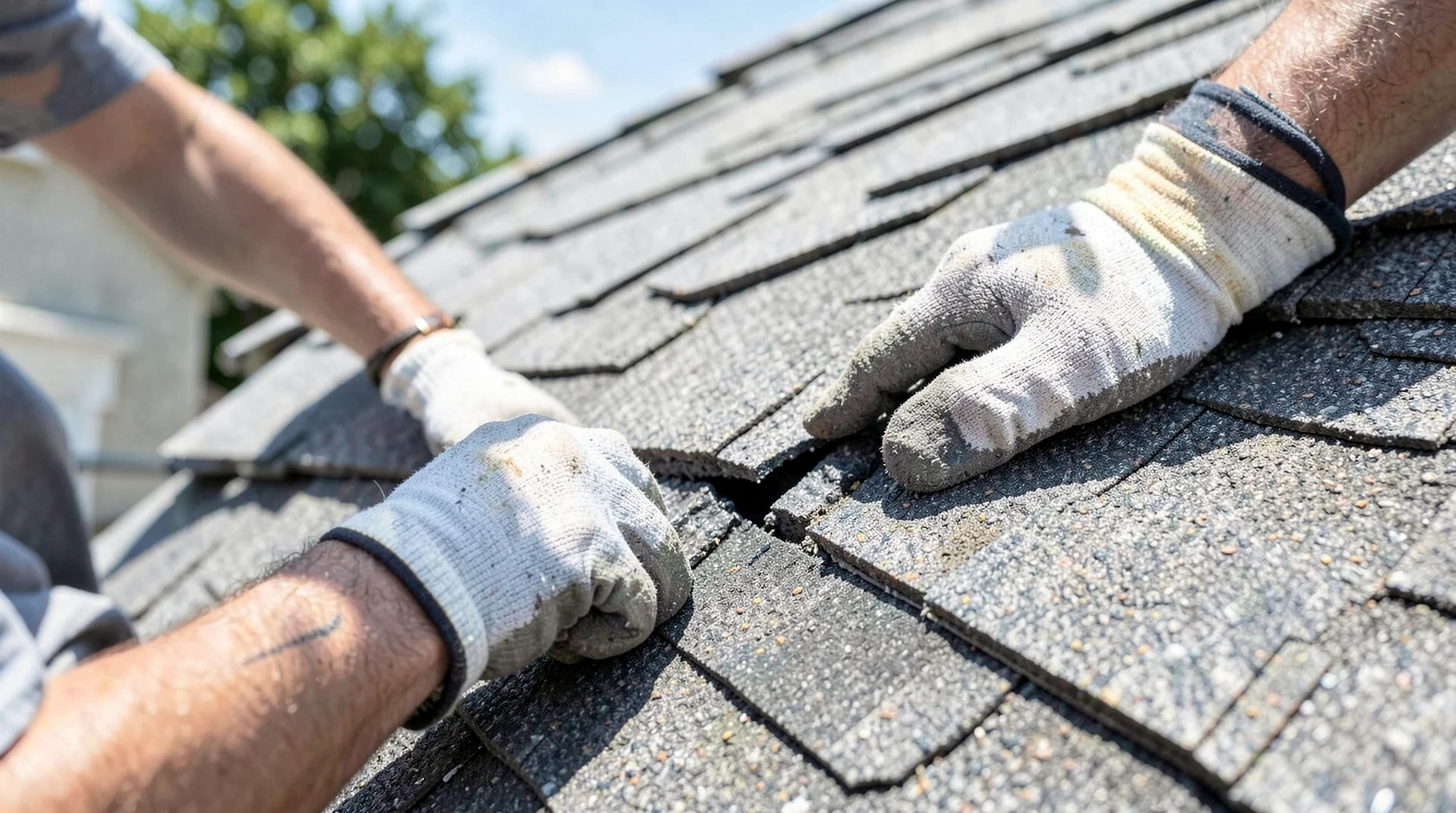
Fixing Gaps and Seams in Architectural Shingle Installations: Your Guide to Long-Term Roof Integrity
When your home is built-especially in a dynamic area like Kessler Park-it’s designed to withstand Texas weather. You invest in high-quality architectural shingles because of their appearance, durability, and protection. But the truth many homeowners never realize is that while these attractive shingles are robust, they have specific weak points: the overlaps, penetrations, and edges. These areas-the seams and gaps-are where water intrusion starts, often remaining invisible until a major leak appears inside your home’s drywall or structure, back to Rock Line Roofing.
We understand the worry that comes with roof leaks; it's stressful, expensive, and disruptive. As local roofing experts, we know that simply patching a visible stain is not enough. We need to address why the gap failed in the first place. Whether you're concerned about damage from recent intense heat cycles or powerful hailstorms common across Central Texas, understanding how your roof seals are compromised is the critical first step toward permanent peace of mind.
When Seams and Gaps Stop Being Invisible: Understanding Shingle Failure
The primary pain point when dealing with roofing failure isn't always the shingles themselves; it’s the sealants. Architectural shingles provide excellent coverage, but they rely on flashing, underlayments, and meticulously sealed seams to keep out moisture. This is where David Jenkins, who has spent decades perfecting techniques for roof longevity, advises homeowners: don't just look for visible damage; inspect the joints.
The core issue is that gaps and seams are engineered overlaps-the point where two materials meet or a material meets a structure (like a chimney). These junctions are inherently more vulnerable than the shingle body itself. They act as funnels for water when compromised by time, stress, or weather. Until they fail dramatically, these leaks can be completely hidden within your attic space, only manifesting months later through staining on interior ceilings.
The fact that we offer deep expertise in fixing gaps and seams in architectural shingle installations means we don't just address the leak point; we identify the fundamental root cause-be it material degradation, improper installation geometry, or structural movement-to prevent recurrence. We are committed to making sure your roof doesn't require temporary fixes that will inevitably fail a second time.
The Science Behind Seam Failure: Why Gaps Appear
A seam is not just an overlap; it’s a complex physical joint subjected to extreme environmental forces unique to Texas. Understanding why these gaps appear requires looking at the constant, subtle stressors your roof endures every single day.
Firstly, there is thermal expansion and contraction. The shift between blistering summer heat and sharp winter cold causes the entire building structure-the decking, the flashing, and the shingles-to constantly expand and contract. This movement puts incredible strain on any adhesive or sealant over time. Over many years, even high-quality sealants lose their elasticity; they become brittle, much like an old rubber band that snaps when stretched too far.
Secondly, UV exposure is relentless. Sunlight breaks down organic materials, including the asphalt compounds and polymeric urethanes used in roofing sealants. This degradation allows water to penetrate microscopic gaps. Thirdly, wind uplift-especially during high winds or hailstorms-can physically pull at edges and flashings, creating new vulnerabilities that require specialized architectural shingle flashing repair.
It is crucial to understand the difference between simple wear (minor sealant cracking) and structural failure (where poorly fixed seams have allowed water to compromise the underlying wood decking). If a seam fails repeatedly, it signals that the protective layers are compromised down to the substrate. Our advanced techniques go far beyond simply applying fresh caulk; we may utilize specialized materials like modified bitumen application or high-grade flashing replacements that adhere directly to and reinforce structural components, ensuring long-term integrity.
The Expert Approach: Mastering the Art of Fixing Gaps and Seams
Attempting a simple "cosmetic patch" on a compromised seam is akin to putting Band-Aids on a deep structural wound-it won't hold up against the next heavy rainstorm. Proper repair requires a systematic, multi-layered approach that treats the failure point as if it were brand new construction.
Our process for fixing gaps and seams in architectural shingle installations is highly technical but straightforward to explain:
- Diagnosis: We first map out every single vulnerable area-the valleys where two planes meet, the complex flashing surrounding chimneys or ventilation pipes (penetrations), and the perimeter edges.
- Removal and Preparation: The critical step that most amateurs skip is removing all compromised sealant. If we leave old, brittle caulk in place, it will fail again, wasting time and money. We must clean the entire substrate to ensure a perfect bond for new materials.
- Re-sealing/Reinforcement: Depending on the severity of the failure, we may apply specialized modern sealants or even install metal flashing (copper, galvanized steel) that physically blocks water movement. This ensures that when we complete our work, water cannot bypass the structural layers simply because an old seam failed.
This thoroughness is what differentiates true expertise from a simple handyman job. We are trained to recognize these complex systems and understand how different materials interact under stress. Our goal is not just to make the leak stop today, but to protect your home for decades to come by fortifying every vulnerable junction.
What to Expect During a Professional Seam Repair (A 4-Step Timeline)
We know that having workers on your roof can be disruptive, and dealing with unexpected repair costs creates anxiety. To combat this uncertainty, we have streamlined our process into four clear, manageable steps, ensuring you are informed every moment of the way.
1. Comprehensive Diagnosis/Inspection: Our crew arrives with professional equipment to assess not just the visible damage but also areas prone to stress (like near drain systems or intersecting roof lines). We walk you through exactly what we found and why it needs attention.
2. Preparation & Remediation: This is where the physical work begins. We meticulously clean out old, degraded materials. If flashing must be replaced, we remove all compromised sections before applying new substrate layers.
3. Installation of New Materials: Using our specialized tools and high-grade sealants or metal flashings, we install the necessary components to achieve a watertight barrier. This phase is managed by licensed crews who work quickly and safely.
4. Meticulous Cleanup & Site Restoration: When we are finished, we remove all debris, ensuring your property is left cleaner than we found it.
Regarding cost transparency, we commit to providing a detailed, upfront estimate that clearly itemizes labor versus materials used. We want you to feel confident and in control of the process-no hidden fees or surprise charges related to our work on architectural shingle flashing repair. For homeowners considering preventative care, remember that proactively scheduling an inspection is always cheaper than emergency remediation after a major storm hits.
Beyond the Patch: The Value of Proactive Roof Maintenance and Inspections
David Jenkins has taught me one thing over 24 years in this business: proactive maintenance is not an expense; it is arguably the most valuable insurance policy you can buy for your home's structural integrity. Waiting until a leak appears, or waiting until a major storm event forces your hand, means dealing with emergency pricing and heightened stress.
A comprehensive roof inspection goes far beyond simply looking for obvious leaks. It involves checking the integrity of every flashing, vent, and seam under simulated stress conditions. We look for signs that suggest fatigue:
- Bubbling or cracking sealant: Especially noticeable around penetrations (pipes, vents).
- Discolored patches: Areas where repeated water intrusion has stained the underlying material.
- Visible granule loss concentrated at edges: This suggests environmental wear and tear is accelerating failure in those critical gap areas.
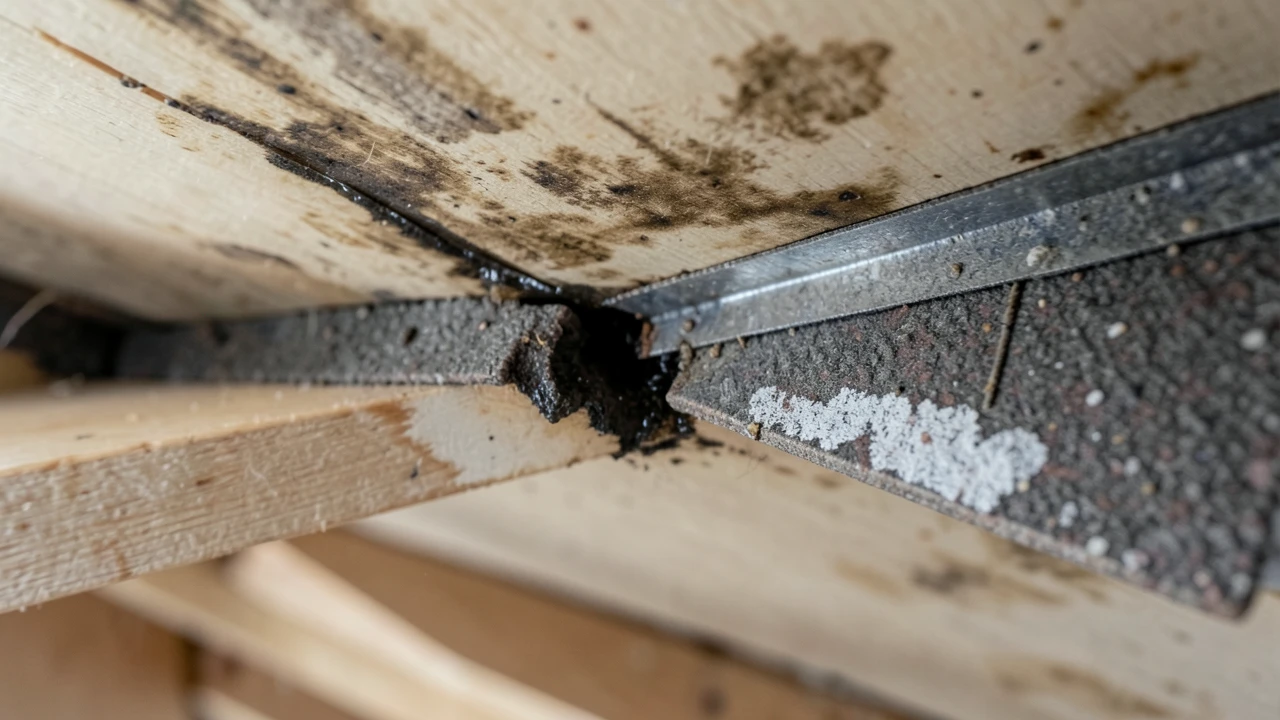
If you notice any of these signs, treat them as warning lights. Identifying potential gaps and seams during a routine inspection allows us to perform minor, targeted preventative work that could prevent what would otherwise be massive leak remediation after the next predicted hailstorm or period of intense heat. We recommend making proactive roof inspection services part of your annual home maintenance checklist.
Protecting Your Investment: Choosing Local Expertise in Kessler Park and Beyond
When it comes to complex roofing systems, local knowledge is everything. While many general contractors can temporarily patch a leak, true expertise-the kind that ensures proper fixing gaps and seams in architectural shingle installations-requires deep familiarity with the unique building codes, materials, and regional climate hazards of the Dallas-Fort Worth metro area.
We understand the specific needs of homeowners across Kessler Park, from the historic charm near Knox-Henderson to the modern properties throughout Oak Lawn. We know the difference between a standard asphalt shingle failure and one caused by localized subsurface drainage issues common in our unique soil structure. Our commitment is not just to patch materials; it is to build long-term resilience against regional hazards-be they intense summer heat or sudden, powerful hailstorms, explore our full service lineup.
We invite you to stop worrying about the next leak appearing after a storm passes. Instead, let's schedule an honest assessment of your roof system. We offer free consultations and comprehensive inspections to give you a second opinion on the longevity and integrity of your current installation. Contact us today at +1 469-589-3827 or visit 426 N Denver St, Kessler Park, TX 75203 to discuss a preventative maintenance plan-the best way to protect your investment is to act before a problem becomes an emergency. Commercial Roofing in Kessler Park, TX services.