
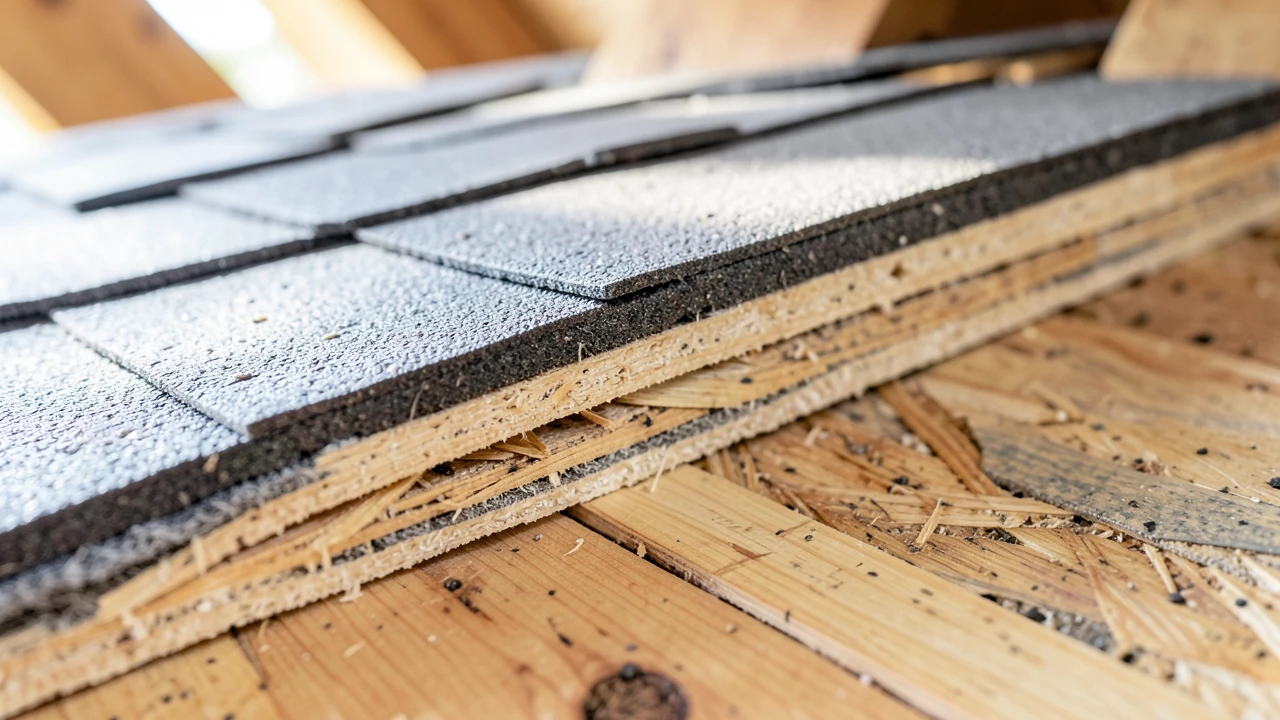
When a major storm hits Central Texas-whether it’s the sudden hail burst or the intense heat cycle followed by heavy rain-it's natural to focus immediately on the visible damage: the torn shingles, the missing granules. These are what we see and what usually triggers worry about hail damage roof repair Kessler Park. But for homeowners in affluent areas like Kessler Park, TX, simply replacing the shingles isn't enough. A truly durable roof is not a single layer; it’s an entire, interconnected system.
As I’ve spent decades working with complex Central Texas roof systems, I’ve learned that many catastrophic leaks don't start at the top. They begin in the gaps and weaknesses between layers. This knowledge is why understanding the underlayment-the critical barrier beneath your visible shingles-is so important when considering roofing in Swiss Avenue, TX. If one hidden layer fails, it compromises everything above and below it. We need to look past the surface shine to ensure your home has foundational protection against Texas’s unpredictable weather cycles.
Why Just Putting Down Shingles Isn't Enough: The Hidden Layers of a Durable Roof
The biggest misconception in roofing is that the shingle itself carries all the weight of protection. Think of your roof structure like a meticulously built dam; every single component-from the flashing around your chimney to the foundational underlayment-must work together. If you have an immediate leak, it's often tempting to think it’s just the shingles, but structural damage can start much deeper in the supporting layers.
The specific weather cycles we experience here in Kessler Park-the intense heat that stresses materials followed by heavy rain and rapid temperature swings-put immense strain on every component. This isn't a static environment; your roof is constantly working against moisture intrusion and thermal expansion.
This leads to a critical point: roofing is inherently a layered system. If the underlying layers fail, they don't just let water in; they allow it to settle into the decking materials (like plywood or OSB), leading to hidden rot that only becomes apparent months later-and costs significantly more to fix. The true secret to long-term protection isn't merely buying new shingles; it’s mastering preemptive care and understanding all supporting layers, especially those invisible ones.
Understanding Underlayments: What They Are and Why They Matter
So, what exactly are underlayments? Simply put, the underlayment is the critical waterproof barrier installed directly beneath your asphalt shingles. It acts as a failsafe-the primary line of defense against moisture when your visible shingles are compromised or if they are installed incorrectly.
Historically, roofers used simple layers of asphalt-treated felt (traditional asphalt felt). Today, however, we use advanced synthetic membranes alongside these traditional options. While the goal remains the same-keeping water out-the materials and their performance capabilities have advanced drastically.
To answer the fundamental question: how do underlayments affect asphalt shingle roofing integrity? They provide a critical structural redundancy. When heavy rain hits or when shingles are damaged by hail, the underlayment is the barrier that prevents rainwater and ground moisture from making direct contact with your home's wooden decking. It keeps water away, buying crucial time for gravity (and proper flashing) to do its job.
For instance, synthetic membranes offer superior tear resistance compared to older felt materials. This enhanced durability is vital in areas like Texas, where we deal with fluctuating humidity and intense storm forces that can stress traditional barriers. The better the adhesion and the tougher the membrane, the more reliable your roof becomes under pressure.
The Interconnected System: How Underlayments Protect Your Decking
This section moves beyond simple leaks; it's about structural integrity. When we talk about proper roofing installation, we are talking about protecting the roof decking (the plywood or OSB sheets) that forms the actual backbone of your roof. An underlayment and flashing aren't just "nice to have" components; they are fundamental architectural safety features.
Imagine water penetrating past a compromised underlayment-perhaps through a small, unnoticed tear. That water doesn't stop at the decking surface; it seeps into the wood fibers beneath, initiating rot. This type of secondary damage is often massive and expensive, leading to structural issues that can compromise your home’s very foundation if left unchecked.
We must pay special attention to specific failure points: penetrations. Chimney flashing, vent pipes, and valleys (where two roof planes meet) are notorious weak spots. Even the most perfect new shingles cannot guarantee a leak-proof surface if the underlying layer at these crucial penetrations is not robustly sealed with premium underlayments and flashing.
Furthermore, we must discuss technique as much as material. The best underlayment in the world is useless if it’s installed incorrectly. Proper overlap, adhering to manufacturer specifications, and meticulous adherence are just as critical-if not more so-than the material itself. This reinforces why relying on trusted local roof experts who understand proper technique is absolutely non-negotiable for a durable roof system.
Upgrading Your Protection: Choosing Modern Underlayment Options
When it comes time for new roof installation process planning, homeowners often focus solely on shingle color and style. However, comparing underlayments reveals that modern options are designed to handle the extreme impact resistance required by severe Texas storms-a capability traditional felt struggles to match.
The biggest upgrade we recommend is moving towards synthetic membranes. These materials offer superior adhesion and tear strength, dramatically improving overall system resilience. For high-risk areas or complex roof geometries common in parts of Kessler Park, an enhanced barrier like the Ice and Water Shield membrane might be necessary. While this may seem like a premium component, it provides an unparalleled safeguard against saturation from both above (heavy rain) and below (rising ground moisture).
Addressing cost transparency is key: while a high-quality underlayment and its specialized installation do add to the initial roof replacement cost estimate, viewing it as merely an added expense is misleading. It is, in fact, a critical investment that drastically reduces your long-term risk of hidden water damage and potential future fees associated with structural repairs.
The ultimate value proposition remains clear: choosing superior materials isn't just about aesthetics; it’s about maximizing the lifespan of your entire roofing system-a measure far more valuable than cosmetic longevity.
Signs That Your Roof Barrier Needs a Professional Assessment
What should you look for? There is an actionable checklist that signals when a professional assessment is necessary, regardless of how good your roof looks from the curb.
Watch out for these visual or performance indicators:
- Mildew Growth on Flashing: This suggests persistent moisture retention in areas where the underlayment might be failing or trapped against flashing metals.
- Excessive Granule Loss: While this can happen naturally, sudden or widespread loss, especially coupled with visible staining beneath eaves, strongly hints at underlying moisture issues that are compromising the barrier layer.
- Visible Staining Beneath Eaves: This is a major red flag. It indicates water has penetrated past the shingle line and possibly into the decking structure itself.
If your roof is approaching its expected lifespan-the time to consider when to replace a roof-a detailed inspection must prioritize checking the integrity of the entire underlayment system, not just examining the top layer. Do not assume that because you haven't had a major leak yet that everything is fine. A homeowner might see minor shingle damage, but the real problem could be an unnoticed tear in the underlying membrane that only appears after heavy rain or during temperature shifts.
Securing Your Home Against Texas Weather Cycles with Expert Care
The best defense against Central Texas weather cycles isn't just adding materials; it’s adopting a holistic, preemptive approach to protection. David Jenkins has always taught me this: proactive maintenance is the single most effective way to manage roof longevity and mitigate the stress of major storm damage.
A true roofing solution requires coordinating every element-from foundation flashing that seals your house to the advanced adhesion of the underlayment. It demands a total system overhaul, ensuring that all components work together as one unified defense against moisture intrusion.
Understanding these complex systems requires local expertise. For understanding these complex systems, you need local expertise; we are best equipped to provide trusted roofing services near you for areas like Kessler Park. They understand the nuances that generic contractors miss.
If you are concerned about unexpected costs or simply want to ensure your home is protected against the next big storm, I recommend this first step: before getting any estimates for professional roofing repairs or replacement, schedule a comprehensive, non-committal inspection with a trusted local expert. We will walk you through exactly why specific underlayment upgrades matter and how they secure your peace of mind for years to come.