
Navigating Storm Damage: Your Guide to Finding Local Experts for Storm Damaged Roof Repair Quote
When a sudden hailstorm or high winds sweep through the Central Texas sky-whether you live near White Rock Lake, Knox-Henderson, or deep within Kessler Park-the sight of damaged shingles and debris can be terrifying. It’s natural to feel overwhelmed, worried about leaks, and most importantly, anxious about unexpected costs. You need more than just a quick patch job; you need trustworthy professionals who understand both the mechanics of roofing in this specific climate and the stress that comes with dealing with insurance claims.
If your roof has taken a beating, remember: taking the first few calm, informed steps can save you thousands and prevent major structural issues down the line. This guide is designed to cut through the confusion and help you know exactly what questions to ask-before you even call for an estimate. We will walk you through everything from immediate safety protocols to understanding the full scope of a professional assessment, ensuring you are prepared to speak with local experts for storm damaged roof repair quote providers with confidence.
Learn more about our roofing specialists.
When the Storm Hits: What To Do Immediately After Hail or High Winds
The moment the damage is visible, your priority must be safety and documentation. While the temptation is to immediately call every contractor you know, we urge you to pause. The first 24 hours are critical for managing panic and preventing secondary water damage.
Safety First: Your Immediate Checklist
Before anything else-including calling any contractor (even us)-you must prioritize physical safety. Never enter a roof structure if you suspect compromised integrity; the risk of falling debris or structural failure is too high. After securing your immediate area, the next most important step is documentation. Take comprehensive photos and videos of everything visible: missing shingles, damaged gutters, water staining on siding, and any signs of debris impact. Documenting this now establishes a clear timeline for both you and your insurance provider.
Understanding Temporary Triage (Emergency Tarping)
In the wake of severe weather, the goal is to prevent further entry points for water. This means discussing emergency tarping and securing secondary damage (like fascia boards or gutters). A temporary triage isn't a repair; it’s a protective seal designed to keep rain out until a full assessment can be performed. If you see evidence of compromised flashing around chimneys or vents, these areas need immediate attention to prevent mold growth, which is the primary enemy after any major leak.
The Critical Difference Between 'Repair' and 'Assessment'
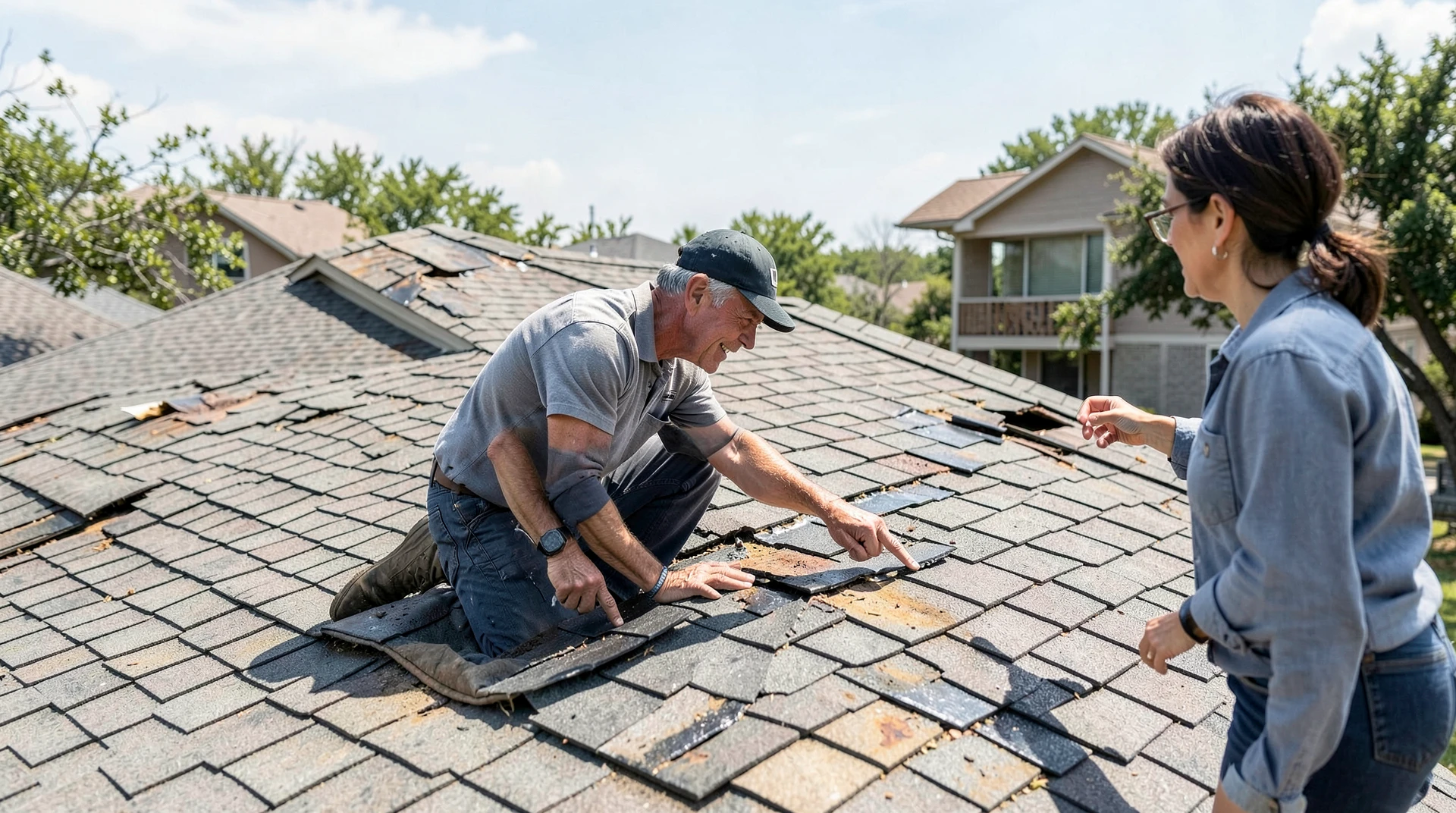
This is perhaps the most crucial concept for homeowners. An initial estimate based only on a quick visual inspection-or worse, an online form submission-is inherently worthless without a thorough, hands-on structural assessment. True expertise involves climbing onto the roof (safely, of course) to examine the entire system. We must assess not just the shingles, but the underlayment, the pitch integrity, and the flashing seals. This difference between mere 'estimate' and detailed 'assessment' is what separates reliable local service from guesswork.
Empowering the Homeowner: Your Damage Documentation Checklist
To help you feel less helpless during this crisis, here are clear steps to follow immediately after damage:
- Document Everything: Take photos/videos of all visible signs of impact (hail dents, bent metal, missing shingles).
- Check for Internal Signs: Walk through your home and look for water stains on ceilings or walls. This helps pinpoint the source of leaks, even if it’s hidden above.
- Contact Insurance: Notify your insurance company immediately to open a claim file. They will guide you on their required next steps and may dispatch an adjuster.
- Identify Immediate Hazards: If you see obvious danger (e.g., sagging sections, large debris piles), keep the area clear until professionals arrive.
Decoding the Damage: What Makes an Expert Inspection Different?
When a major storm hits Kessler Park or the surrounding affluent neighborhoods like Cedar Crest, damage tends to be systemic-it rarely affects just one random shingle. Understanding how your roof failed is key to getting an accurate local experts for storm damaged roof repair quote.
Looking Beyond Visible Shingles: The Hidden Damage
Most DIY advice focuses only on the shingles you can see from the ground. However, true storm damage often compromises materials under the surface. Look out for compromised flashing (especially around vents and valleys), degraded underlayment (the felt or synthetic layer beneath the shingles), or weakened structural sheathing that was never visible until water got into it. A seasoned professional knows to lift back sections to examine these critical layers-this is where deep local expertise shines through.
The Role of Local Weather Patterns in Failure
We don't just react to damage; we understand the cause of failure specific to Central Texas. Our region experiences rapid temperature shifts, intense heat cycles followed by massive hailstorms, and persistent moisture cycling. These elements aren't random; they put immense stress on materials. A roof failing due to a combination of decades-old sealant degradation meeting a sudden hailstorm is not just "storm damage"-it’s material failure accelerated by regional weather patterns. We identify these specific links in the failure chain.
Identifying Root Cause vs. Treating Symptoms
A common mistake made by less experienced contractors is applying a quick patch job to mask an underlying system issue. For example, if your roof has poor ventilation due to inadequate attic space, or if the original pitch was too shallow for the local climate, simply replacing shingles won't solve the problem; it will just delay the inevitable failure. We are committed to identifying the root cause-be it drainage issues, wind uplift vulnerabilities, or improper flashing technique-rather than merely treating the visible symptoms of hail damage.
Defining 'Impact Resistance': Knowing Your Materials
When talking about modern roofing, you’ll encounter technical terms like "Class 4 rating" and "impact resistance." These aren't just buzzwords. Class 4 means that the material has been tested to withstand specific levels of impact-often related to large hail sizes common in this region. Understanding these ratings allows you to ask questions that demonstrate your knowledge, but more importantly, it helps us recommend a system designed for impact resistance against the true severity of Texas storms.
The Quote Clarity Guide: How We Approach Local Experts for Storm Damaged Roof Repair Quotes
The conversation around cost is often the most stressful part of dealing with storm damage. You worry about overcharging and hidden fees, so we built this guide to demystify the entire quote process. Finding a local experts for storm damaged roof repair quote shouldn't feel like entering an interrogation room; it should feel like getting solid, honest advice from a trusted neighbor.
Demystifying the Cost Process: What Your Quote Should Include
A transparent, comprehensive quote is not just one number on a piece of paper. It must be fully itemized and detailed. A trustworthy estimate always breaks down costs into the following phases:
- Tear-Off & Disposal: The cost to safely remove all damaged materials (shingles, underlayment, etc.) and dispose of them legally.
- New Materials: Detailed list of every component-shingling type, new underlayment grade, flashing material, ventilation components, etc.
- Labor: Costs for skilled workers to execute the tear-off, prep, installation, and cleanup.
- Warranty Coverage: Clarity on both the materials' warranty (manufacturer) and the labor warranty (us).
The 'No Surprise' Guarantee: Upfront Pricing Commitment
We know your biggest worry is hidden costs that pop up once the crew starts working. Our commitment to you is an upfront, comprehensive pricing model. We use clear estimates broken down into phases so you understand exactly where every dollar is going. When we provide our assessment, it's designed to give you confidence and control over the budget from day one.
Understanding Insurance Coordination: Removing the Burden From You
Handling insurance claims after a storm is complex; it involves adjusters, policy details, and specific forms-it’s overwhelming. Our role as knowledgeable navigators means we provide detailed support throughout this process. We guide you on what documentation to submit, how to work with your adjuster, and ensure that the scope of repair matches the documented damage. This expertise transfer is critical; it allows you to focus on life while we handle the bureaucratic complexity.
Repair vs. Full Replacement: Weighing Your Options
Sometimes, minor repairs are enough. Other times, the sheer scale or age of the damage warrants a full replacement. We won't push a full replacement if a targeted repair will save your home money. Instead, we provide an educational framework that helps you weigh both options. For example, if the hail has penetrated deep into the underlayment and the shingles are nearing end-of-life due to age, a "repair" is simply postponing a costly failure later.
Beyond the Patch: Determining When It’s Time for a New Roof Installation
Sometimes, no amount of patching can truly save an aging roof system, especially when dealing with widespread, deep structural damage from severe weather. This section helps you understand the signs that signal it's time to move beyond simple repair and look toward a full new roof installation.
The ‘Tipping Point’: When Repair is No Longer Enough
There are clear criteria-or 'tipping points'-that should trigger a conversation about replacement:
- Excessive Granule Loss: If large areas of your shingles show significant granule loss, it indicates the material is reaching the end of its protective lifespan.
- Repeated Leaks: If the same section leaks repeatedly, defying multiple patch attempts, the underlying flashing or decking often needs replacement as well.
- Simultaneous Aging: The most common culprit: if your shingles are 20 years old, and your gutters, flashing, and underlayment are all showing signs of significant degradation from age and storm impact, replacing only the shingles is a costly disservice to your home’s long-term health.
Material Deep Dive: Choosing for Durability and Local Aesthetics
The choice of material should be driven by local aesthetics (especially in areas like White Rock Lake) but always prioritized by performance against Texas weather. We frequently recommend high-performance options such as Standing Seam Metal or advanced architectural shingles. These materials are selected not just because they look good, but because their construction maximizes lifespan and impact resistance against regional hail events.
- Standing Seam Metal: Offers unparalleled longevity and is highly resistant to both wind uplift and impact damage.
- Architectural Shingles: Provide a classic curb appeal while offering superior durability compared to basic 3-tab asphalt options.
The Importance of Preparation: A Systemic Approach
A new roof is not just shingles; it’s an entire engineered system. This means preparing the entire structure-installing proper ventilation (which vents are crucial for managing humidity and heat build-up), sealing flashing, and ensuring gutters are correctly sloped. Skipping these preparation steps due to cost or time pressure voids the longevity of even the highest quality shingles.
De-Stressing Logistics: The Replacement Timeline
We understand that roof replacement is a major disruption (the biggest objection we hear!). To ease your anxiety, here is how we manage the process with clear, numbered steps:
- Day 1: Tear Off: Removal of all old materials and preparation of the decking.
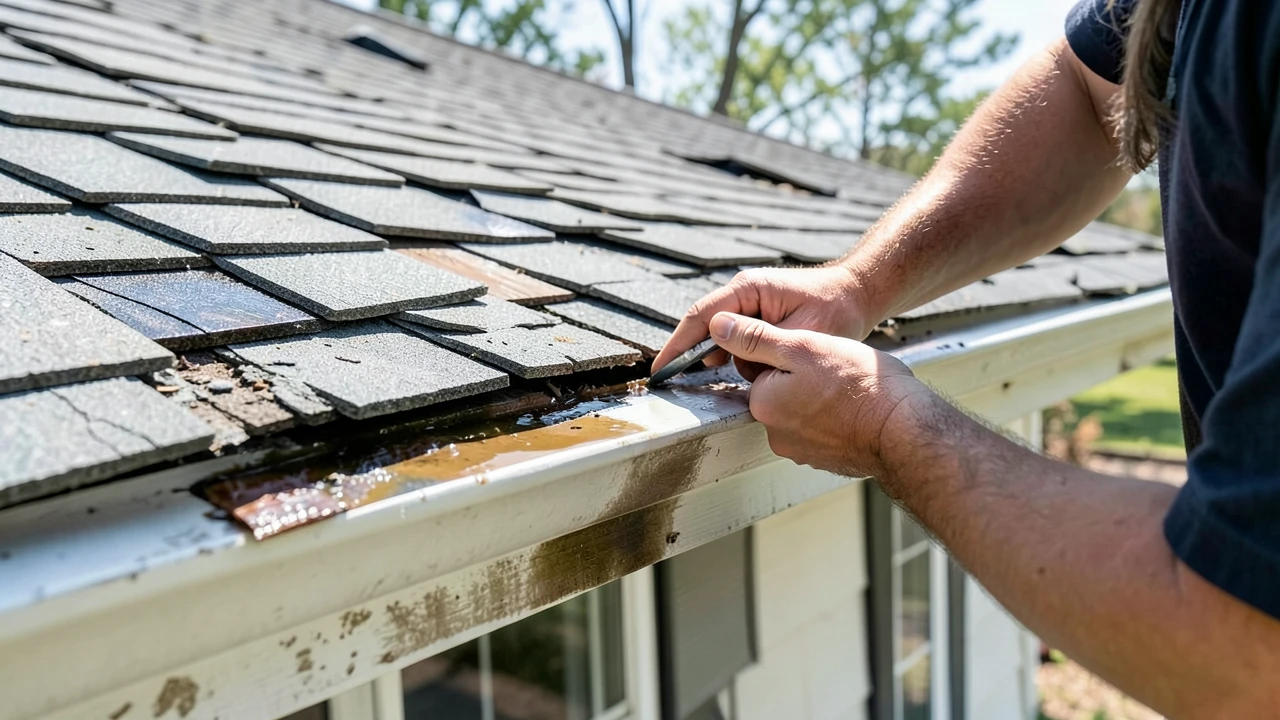
- Day 2: Underlayment & Flashing: Installation of new synthetic underlayment, proper ventilation installation, and detailed flashing seals around penetrations. This is the most critical step for leak prevention.
- Day 3: Shingling & Cleanup: The final installation of your chosen roofing material, followed by a meticulous, debris-free cleanup of your property.
Protecting Your Investment: Planning for Peace of Mind in Kessler Park and Beyond
After decades working with roof systems across Central Texas, I learned early that roofing is far more about proactive maintenance than reactive repairs. My passion lies in ensuring homes remain secure through major weather events, and the true secret to roof longevity is mastering regular inspection and preemptive care before major storm damage hits.
The Proactive Maintenance Mindset: Shifting from Reaction to Prevention
Instead of waiting for a leak or a hailstorm to force your hand, adopting a proactive maintenance mindset is the best financial safeguard. We encourage annual inspections-especially in high-risk months-to catch small issues (like minor flashing deterioration or granule loss) before they compound into major failures that require expensive emergency repairs.
Hyper-Local Commitment: Knowing Central Texas Weather Cycles
We aren't just another national franchise operating near Kessler Park; we are neighbors who understand the specific, unique weather cycles of Central Texas-from the heat dome stress to the intense, localized hailstorms. Our deep roots in Knox-Henderson and surrounding communities mean our crews know exactly how these local hazards affect different architectural styles and materials found here.
The Value of Comprehensive Service: One Call, Total Coverage
True expertise means handling everything under one reliable roof-literally! Whether you need replacement asphalt shingles on your single-family home, commercial TPO roofing for a multi-unit building in Oak Lawn, or specialized modified bitumen systems for flat commercial roofs, we manage the entire lifecycle. This singular point of contact eliminates confusion and ensures consistent quality control throughout the job.
Ready to Talk Roofing? Start with an Inspection.
If you are currently worried about potential damage from a recent storm, please don't rely on vague online quotes or neighbor recommendations. The best first step is simply scheduling a complimentary inspection. It requires zero commitment but provides immediate clarity regarding your roof’s current health and the most reliable path forward for your investment. Contact us today at +1 469-589-3827 or visit our office at 426 N Denver St, Kessler Park, TX 75203. Let's secure your peace of mind, one confident assessment at a time.